WILDLIFE SAFARI STOCKHOLM
Offered as both Summer & Winter Wildlife Safari Stockholm
When are you traveling to Sweden?
BOTH SUMMER AND WINTER wildlife safari Stockholm EXPERIENCE is adapted to seasonal wildlife behaviour, daylight conditions and animal activity
Few capitals offer immediate access to true wilderness. Around Stockholm, a Wildlife Safari Stockholm reveals forests, lakes and wetlands stretch far beyond the city limits, allowing wildlife to live undisturbed, following ancient rhythms.
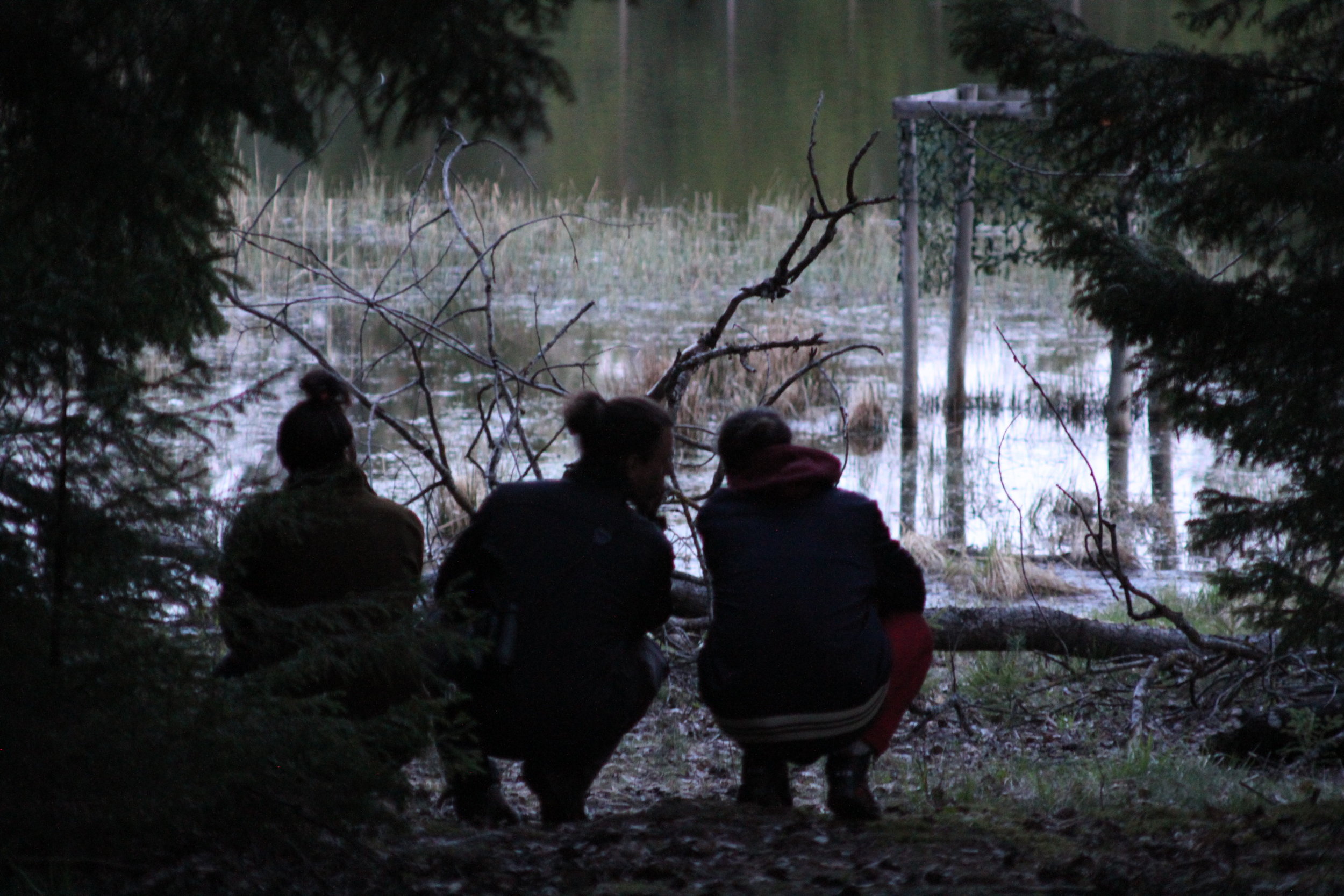
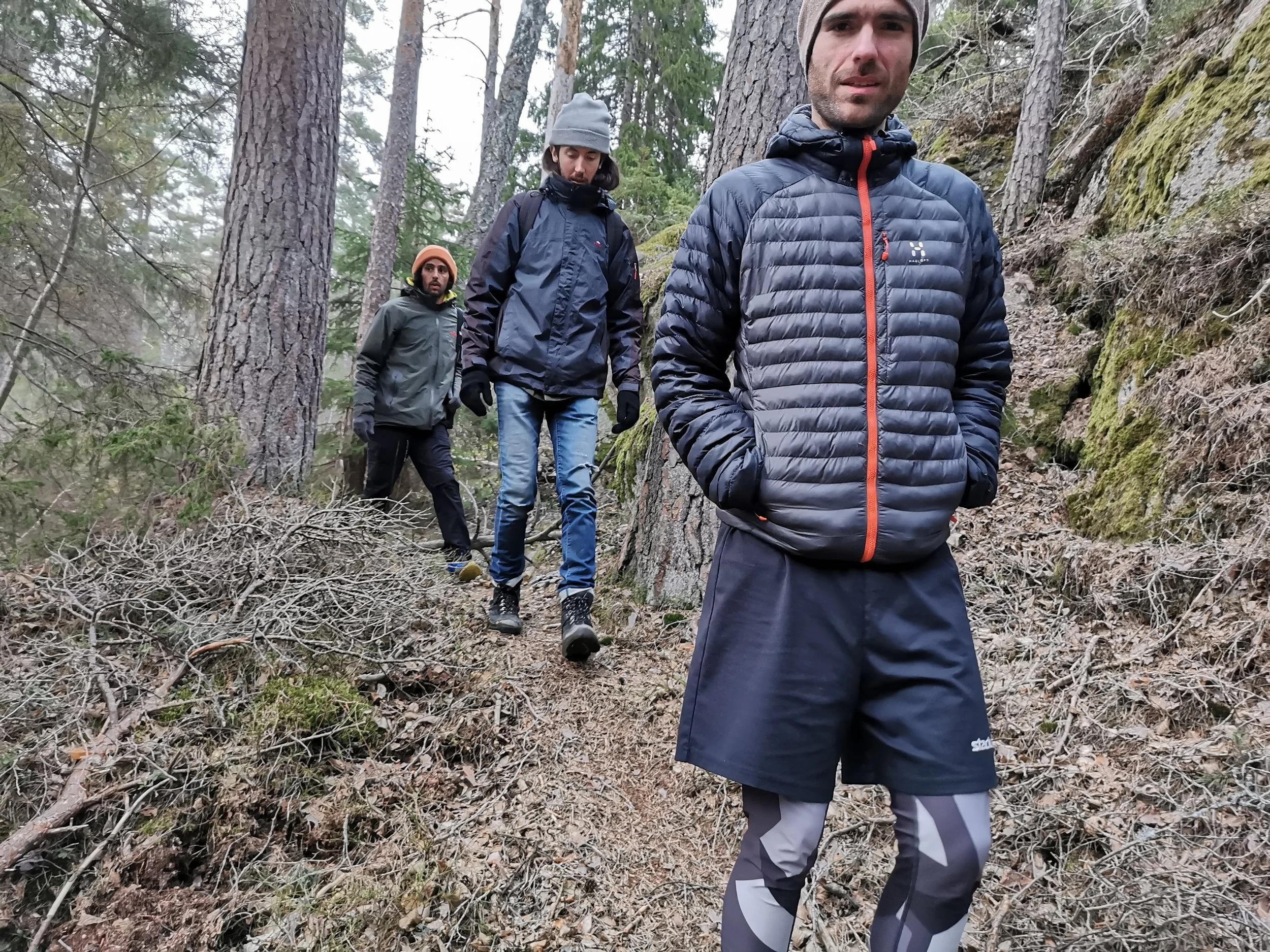
This experience is an invitation to step into that world. You move slowly through Swedish nature, guided by someone who knows how to read the forest — tracks in the soil, movement in the trees, silence where silence matters.
It is not a hunt for sightings, but a way of understanding how animals live, travel, feed and disappear.
Each season offers a distinct experience
LOCATION
Forest areas near Stockholm
Duration
5 Hours (approx.)
START TIME
Start times may vary — always check the booking calendar.
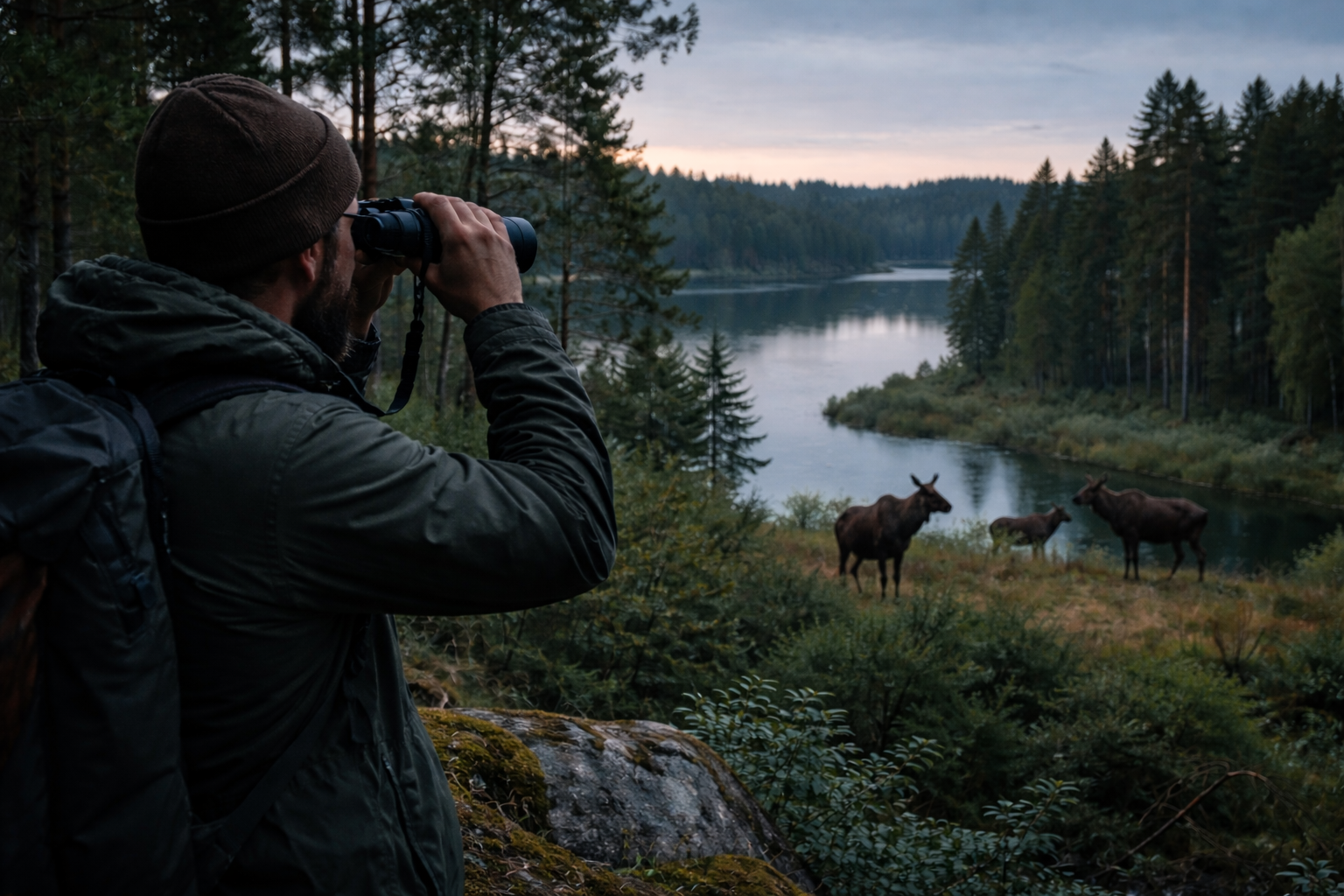
maximising the chances of seeing moose, deer, wild boar and birds of prey
-
A wildlife safari with a professional guide
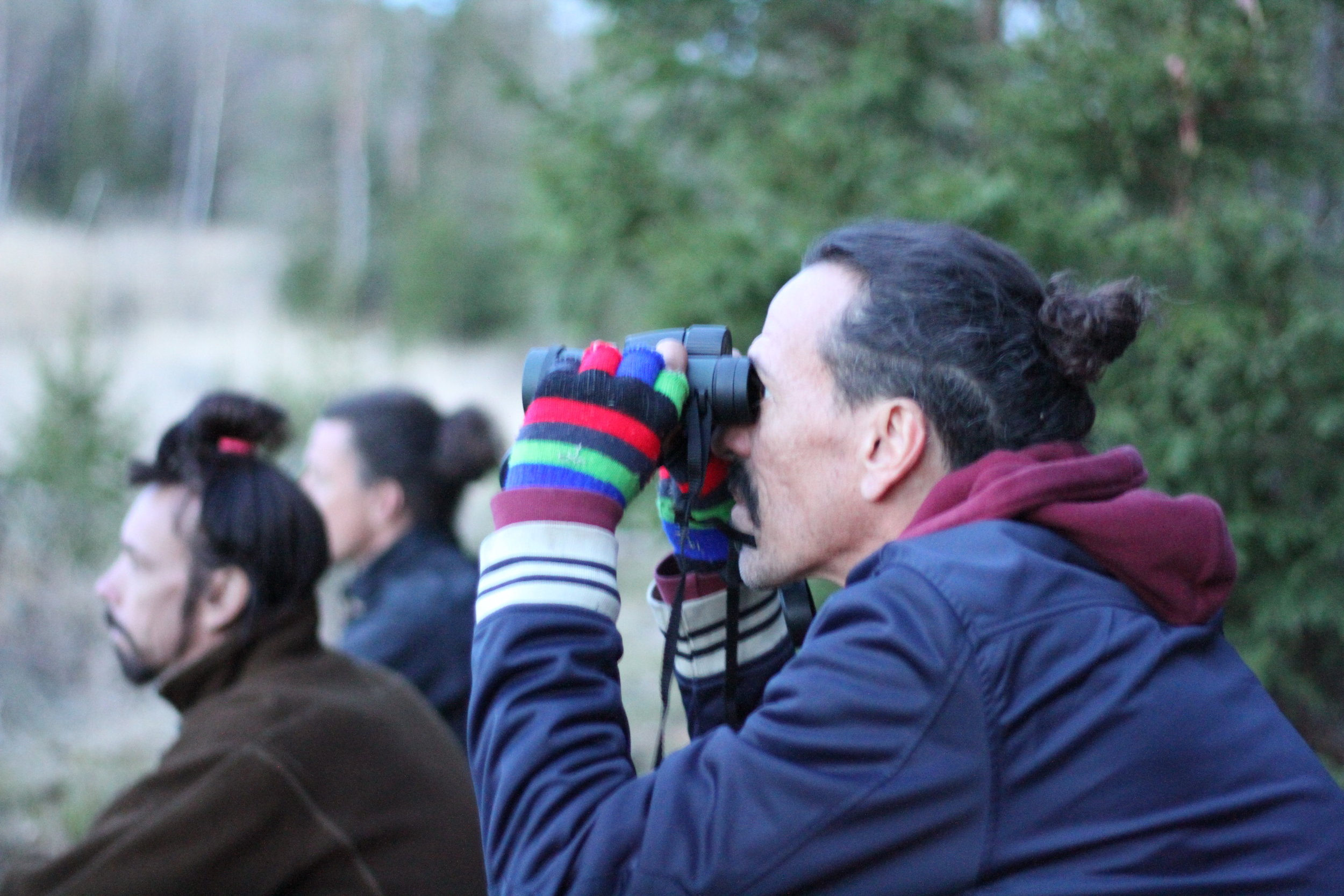
Quality binoculars
Campfire cooking
Eco food
Craft beers (for summer) / hot drinks (for winter)
Swedish 'cook-coffee' and campfire mud cake
Winter boots, if needed
-
Votre assurance voyage
Billets d'avion pour Stockholm
Personal clothing (please check what to bring list below)
Instructors
Highly experienced wildlife experts with years of practical experience
GROUP SIZE
Small groups - Maximum 8 participants
POINT DE RENCONTRE
True Nature Sweden Bureau
Tideliusgatan 62, Stockholm 118 69
A Calm Escape into Nordic Nature
This experience is ideal for travellers seeking something beyond typical sightseeing.
It is suited for those who value:
Authentic nature encounters
Slow, immersive travel
Scandinavian landscapes
Quiet, reflective experiences
A few hours can feel like stepping into another world.
-
While wildlife is never guaranteed, our Wildlife Safari Stockholm experience often includes opportunities to observe:
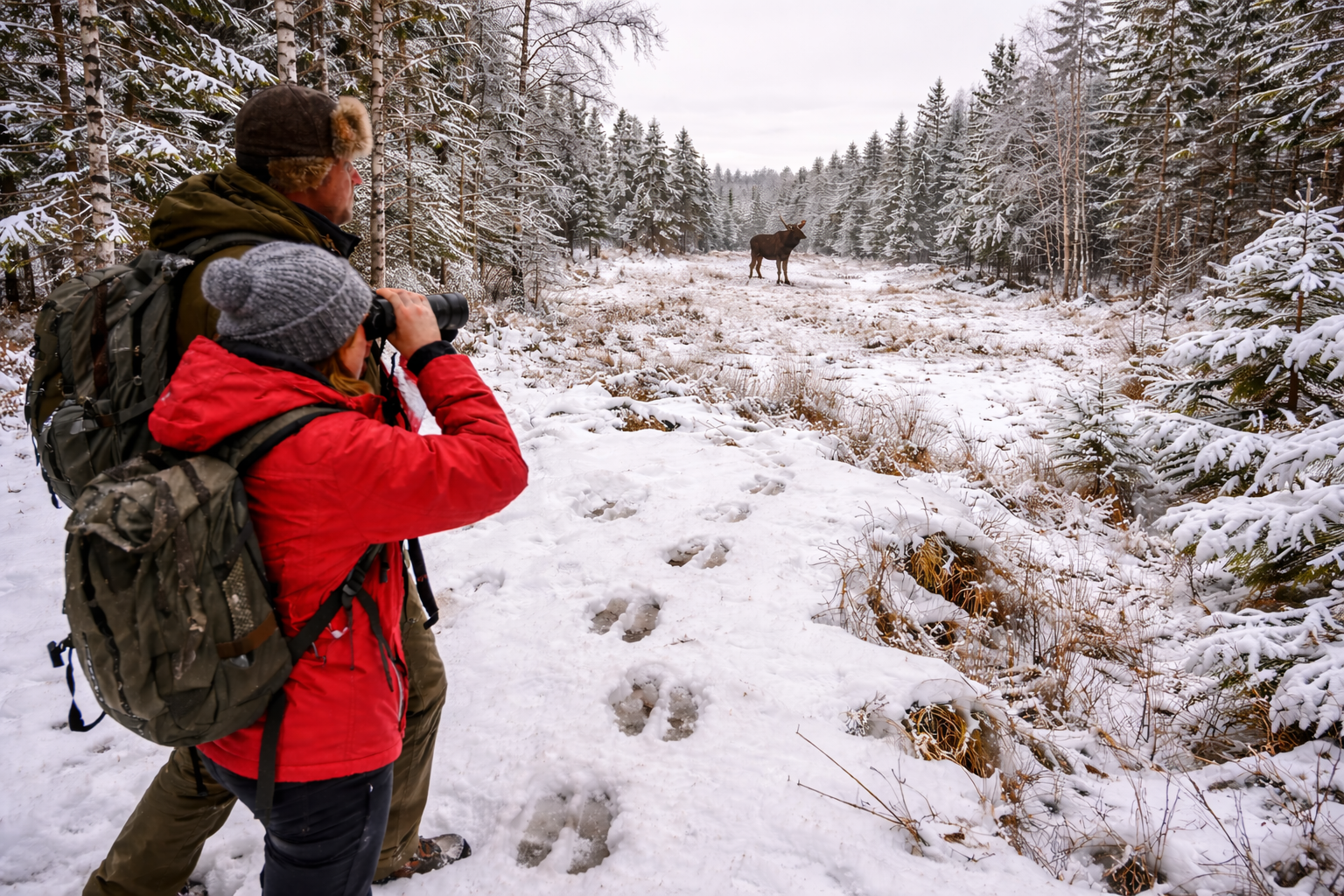
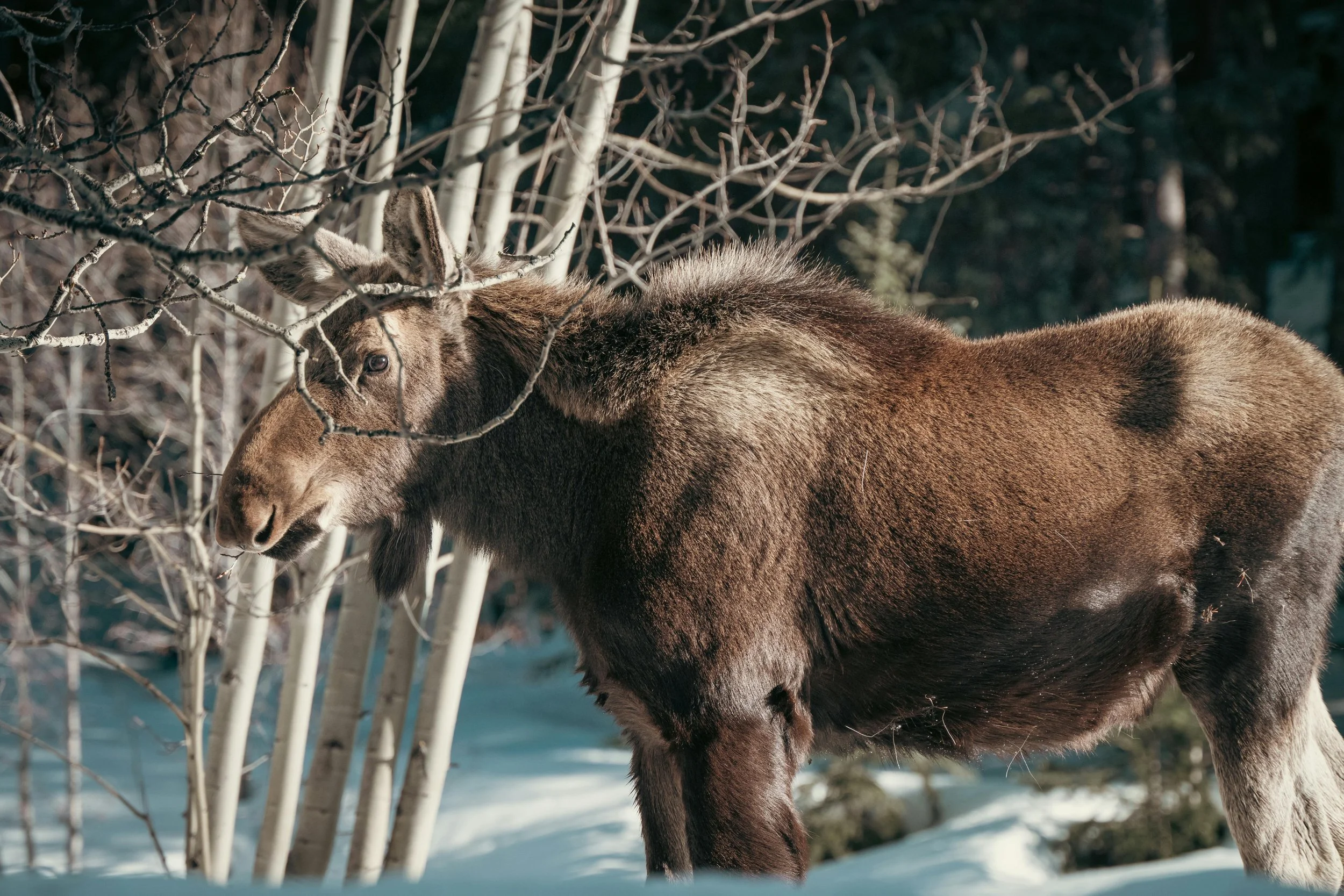
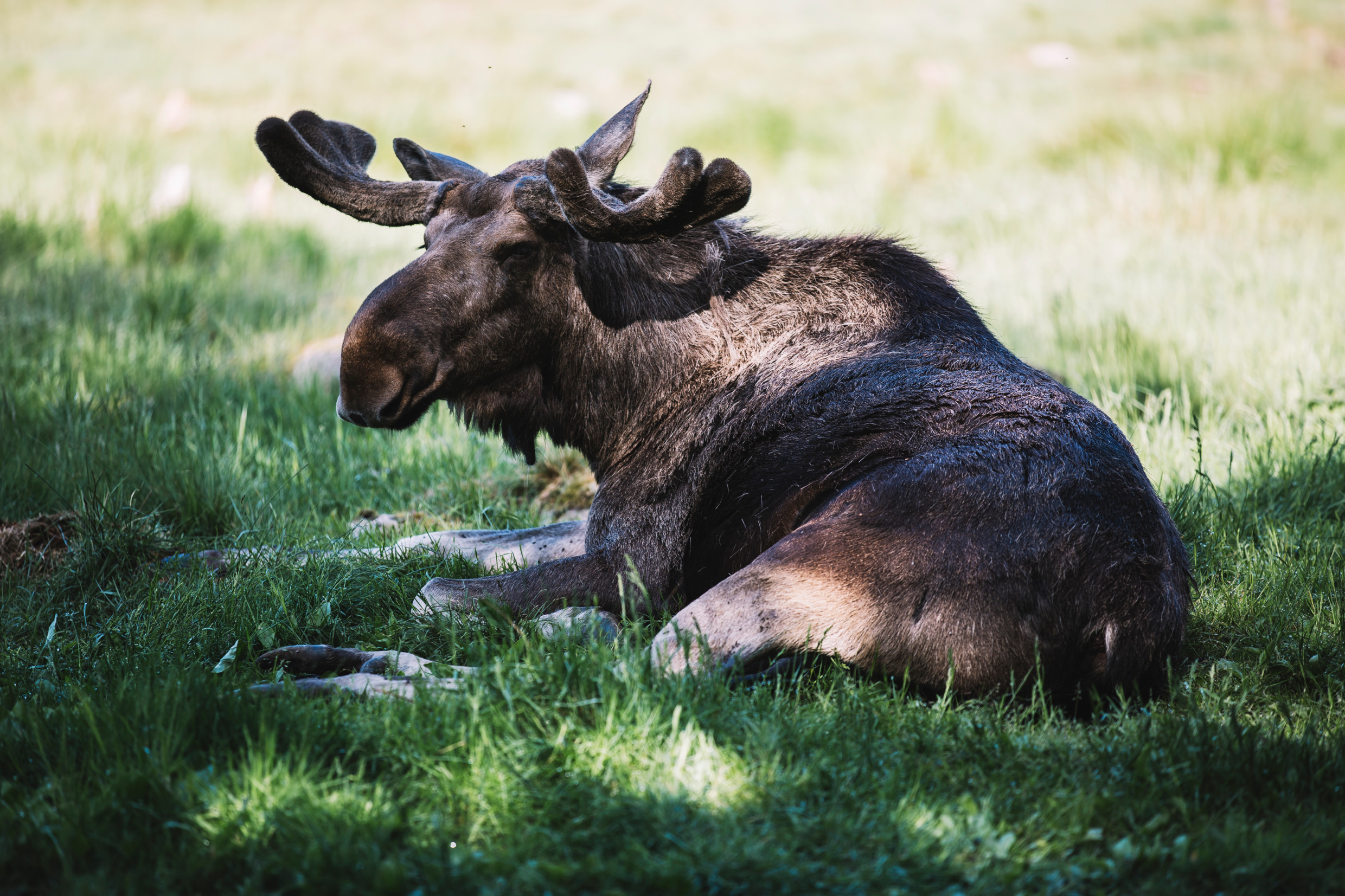
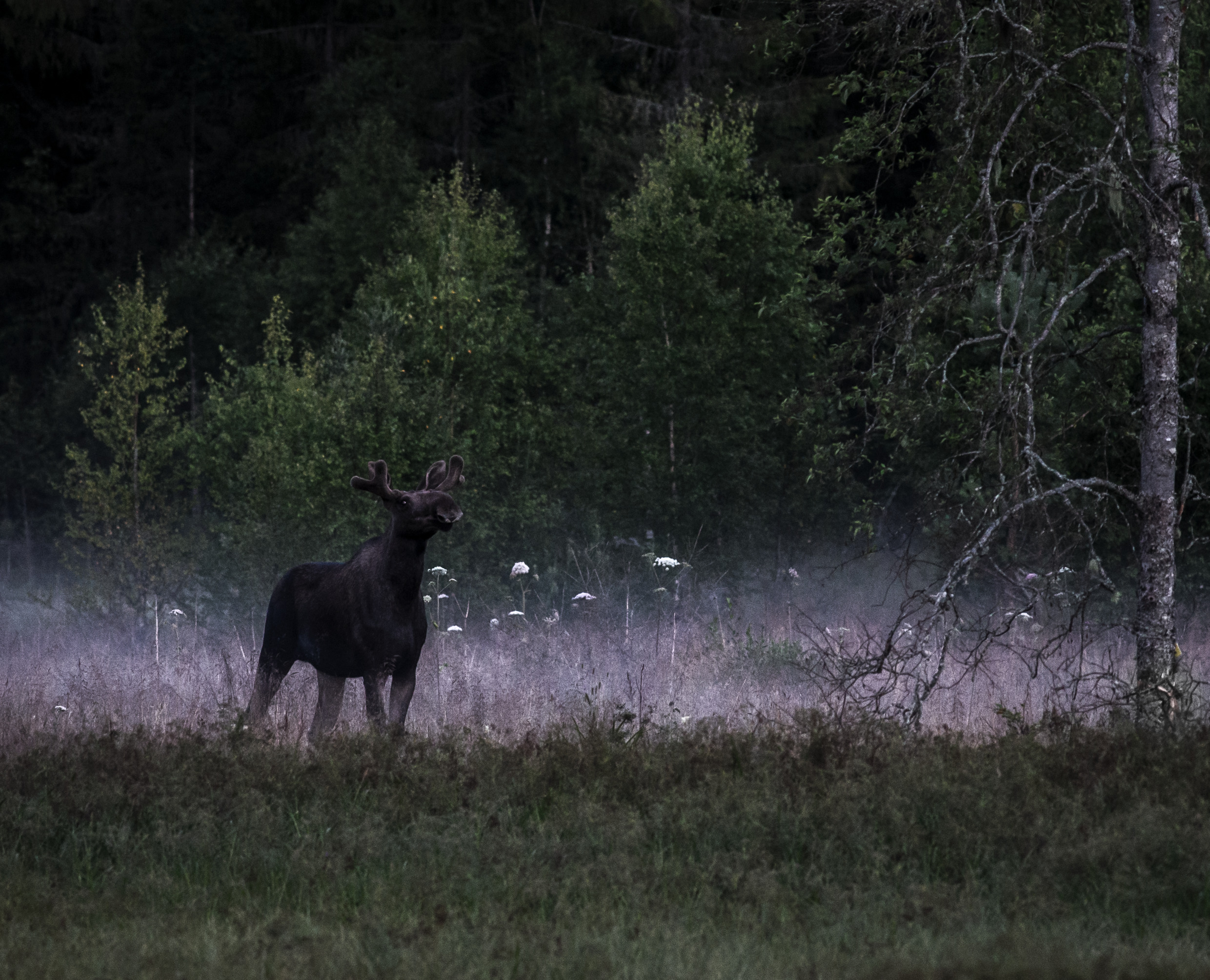
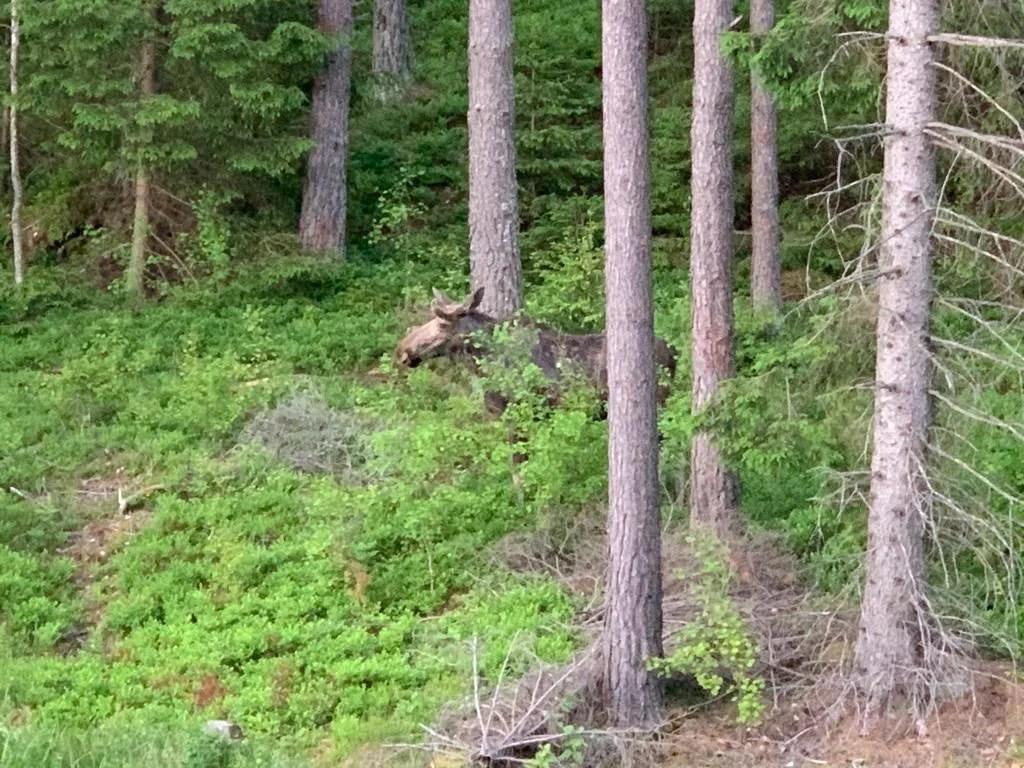
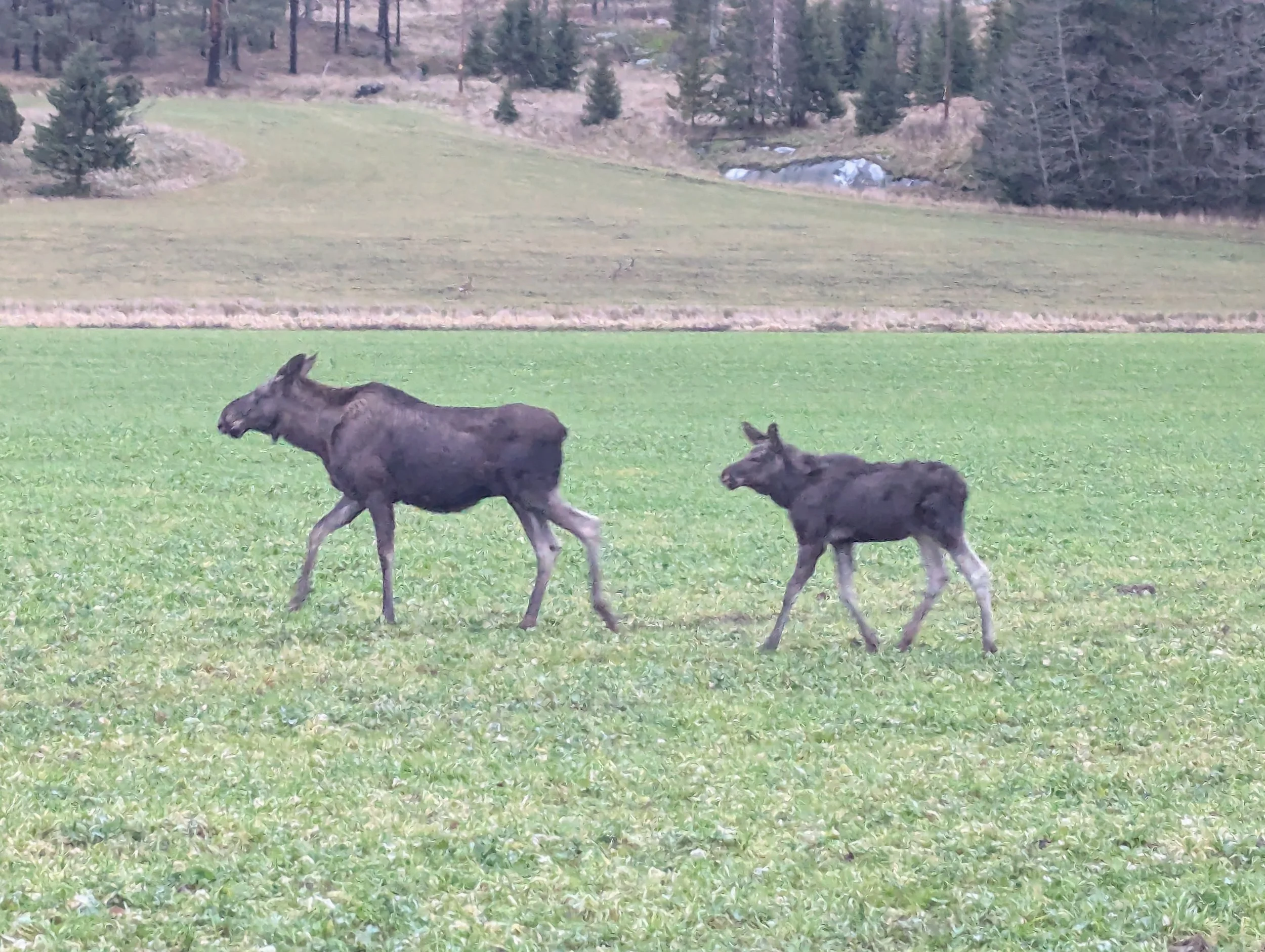
Moose or elk; is the very iconic animal of Sweden, and we are always doing our best to spot them during our tours.
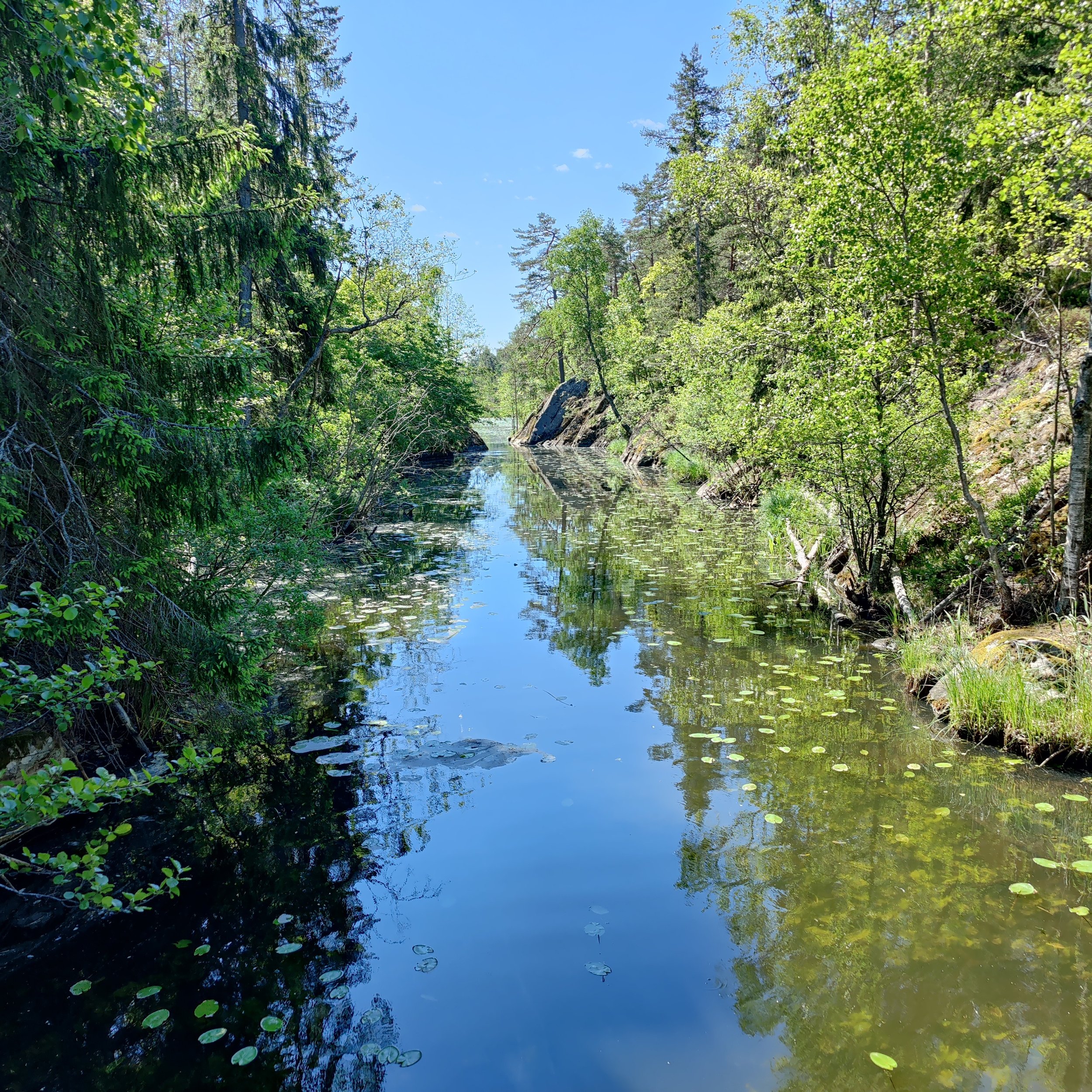
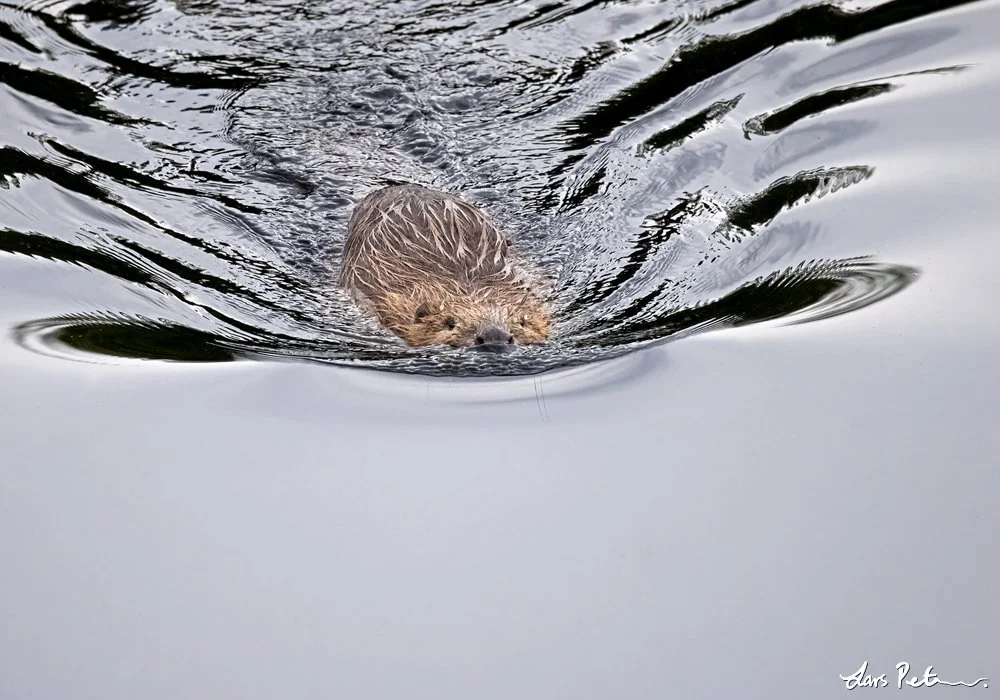
The beaver; this shy and silent animal is rare to spot but can be encountered around water points.
The wolf; no worries, they’ll see you, but you’ll never see them.
The lynx; they are outnumbered, unfortunately, and they live more towards the centre of Sweden. They are probably the hardest animals to spot. Fantastic hunter.
The bear; we couldn’t mention it. Well, we will talk about it, but they don’t live in the Stockholm region, so no worries, no encounter is possible.
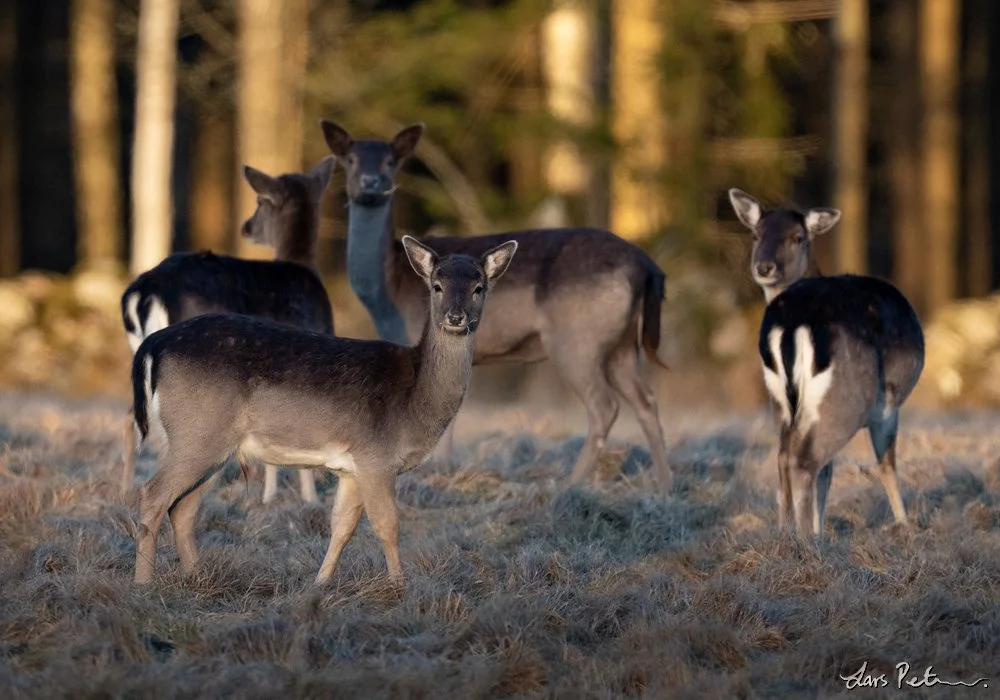
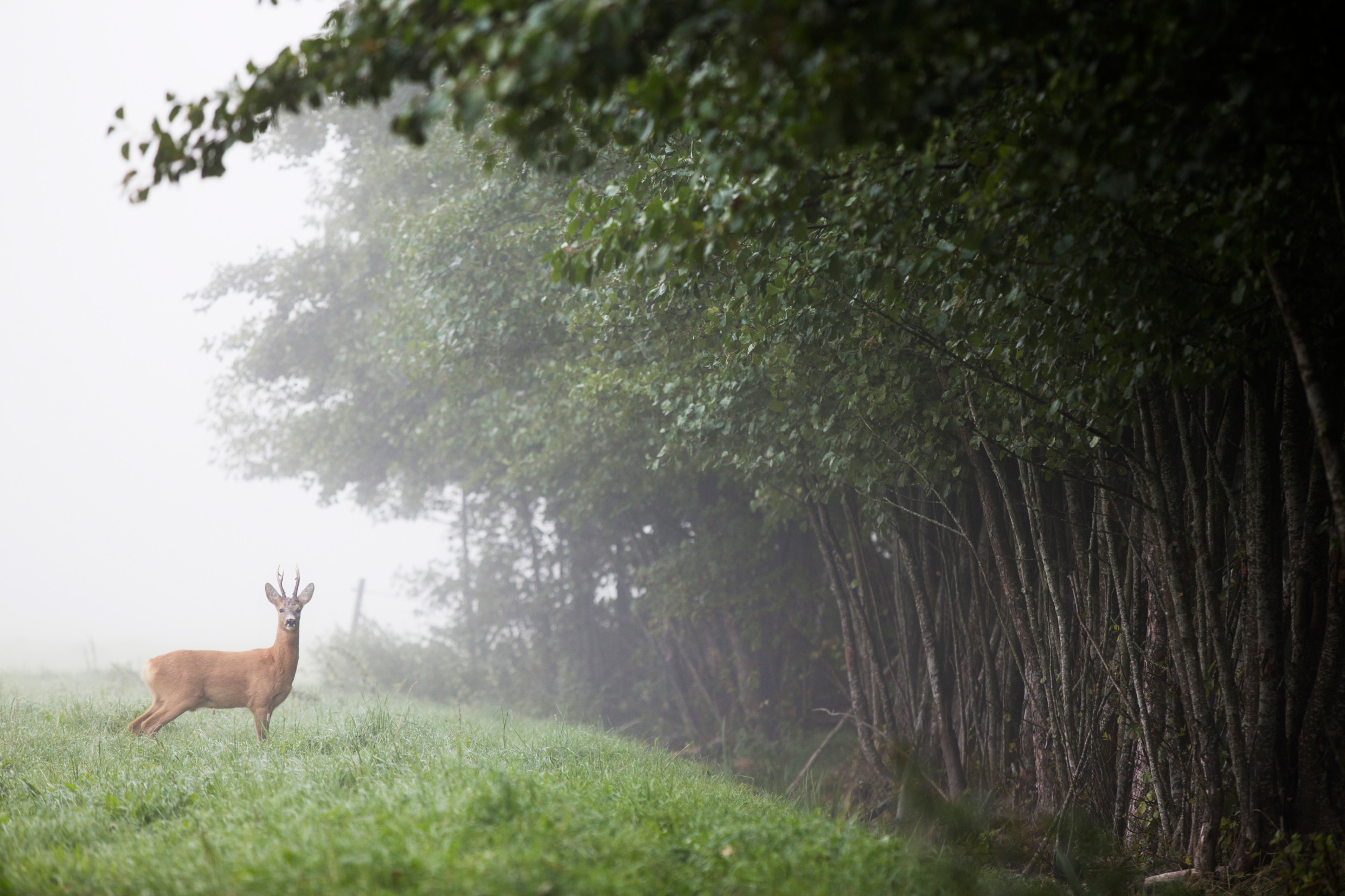
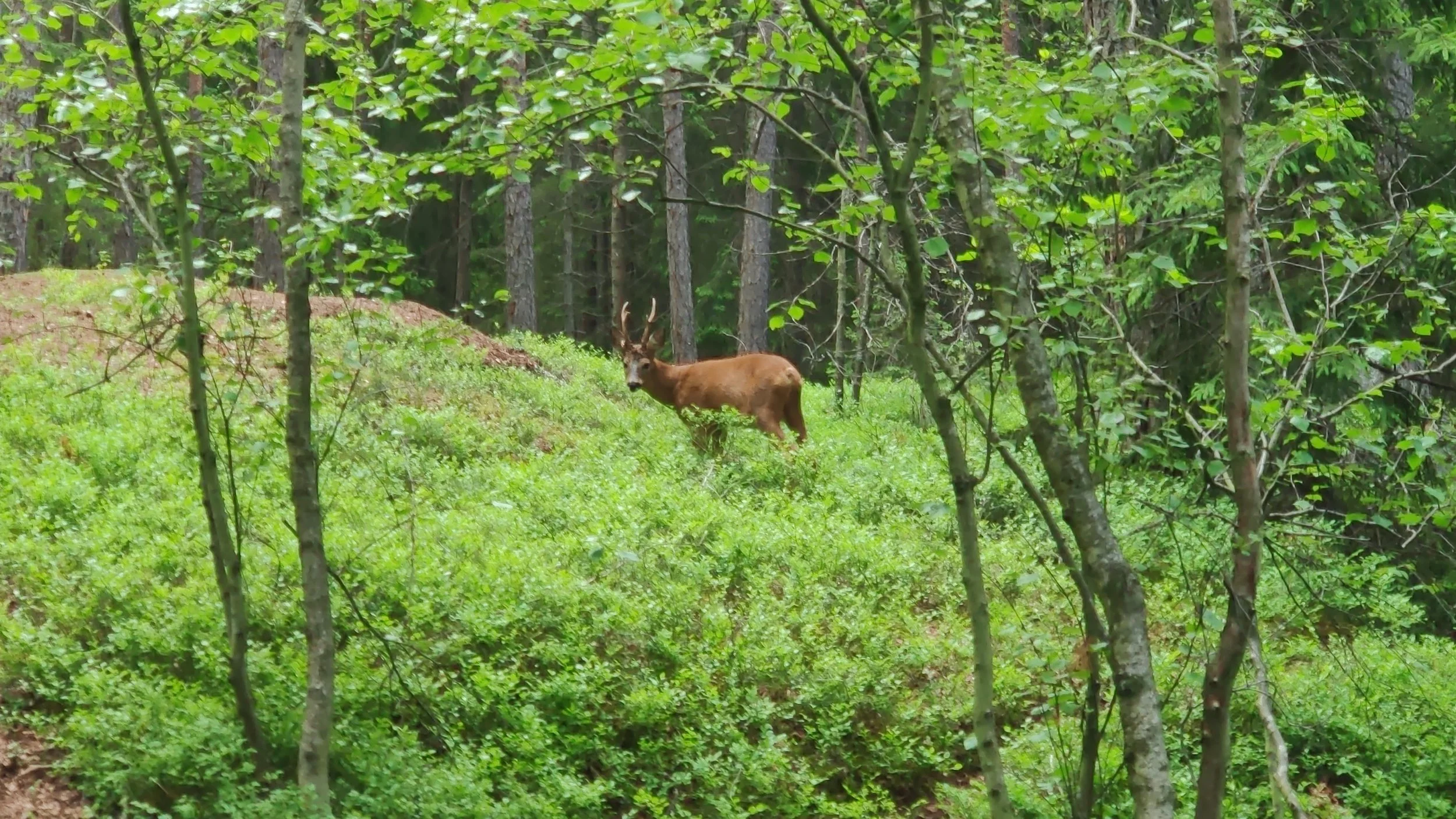
Roe deer; are probably the most common to see, and we will spot them grazing in herds on grassland.
Fallow deer; is a magnificent deer, slightly bigger than the roe deer but with white dots on the fur. Hope we’ll see them.
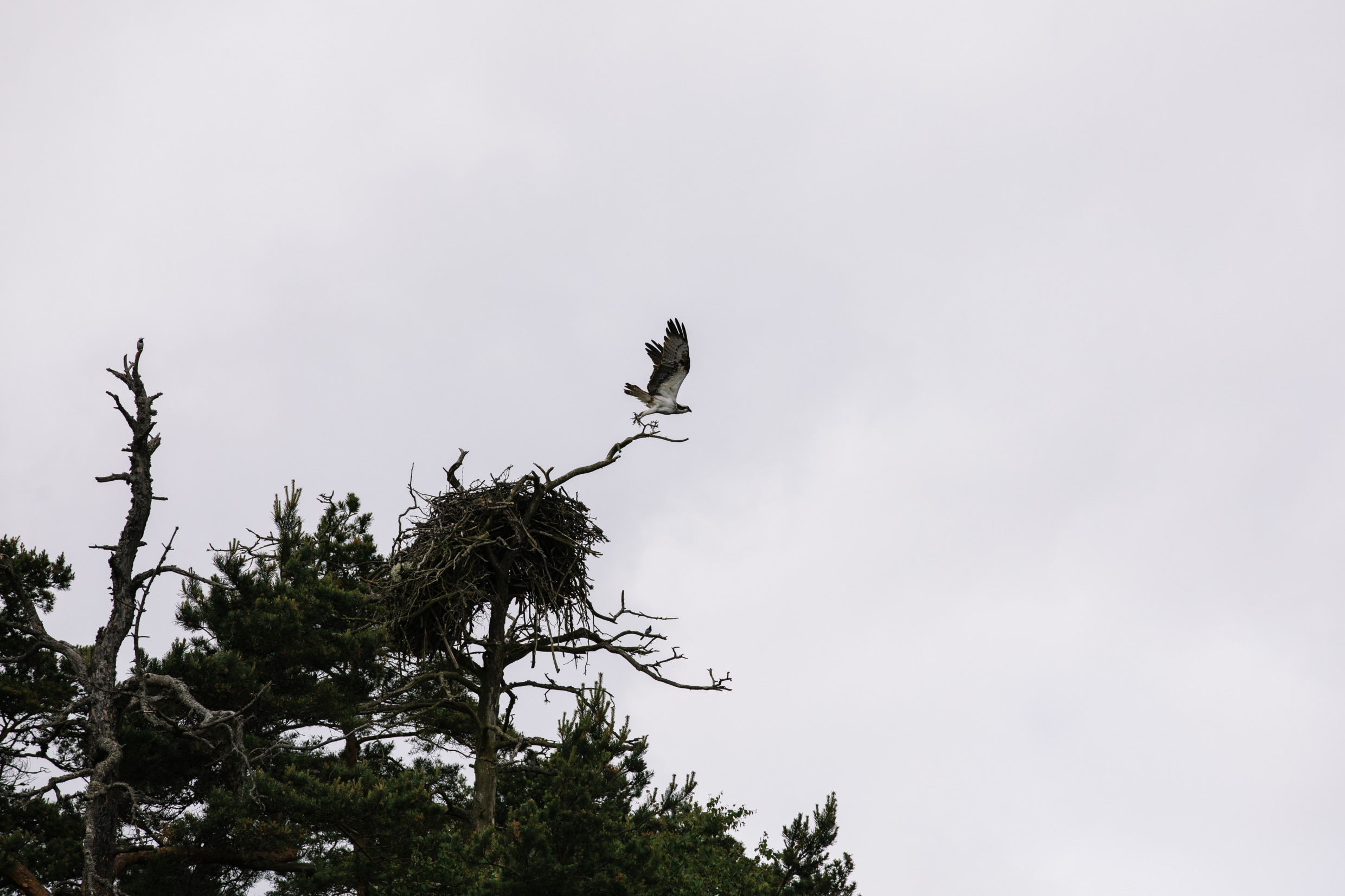
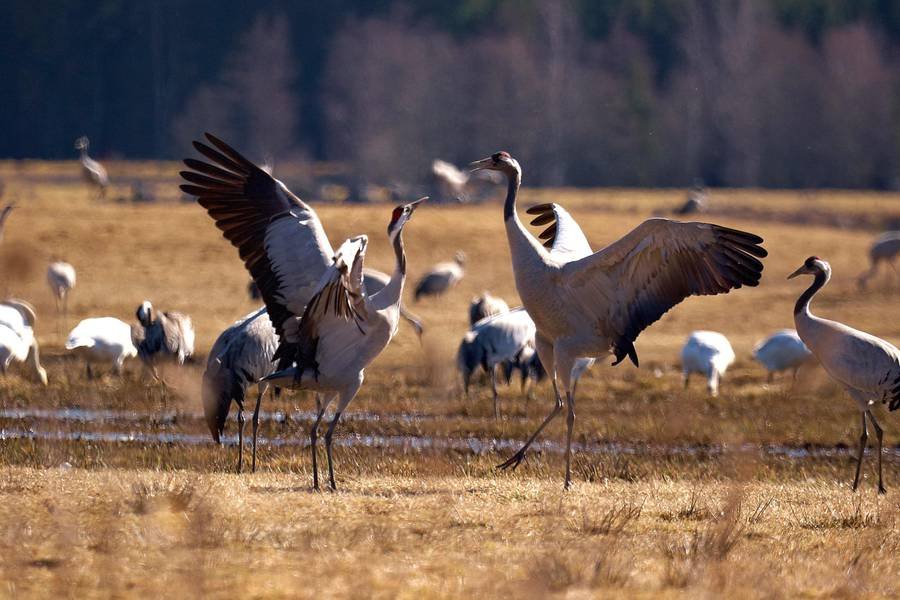
Sea eagle; Can be spotted sometimes over the forest as the sea is never far.
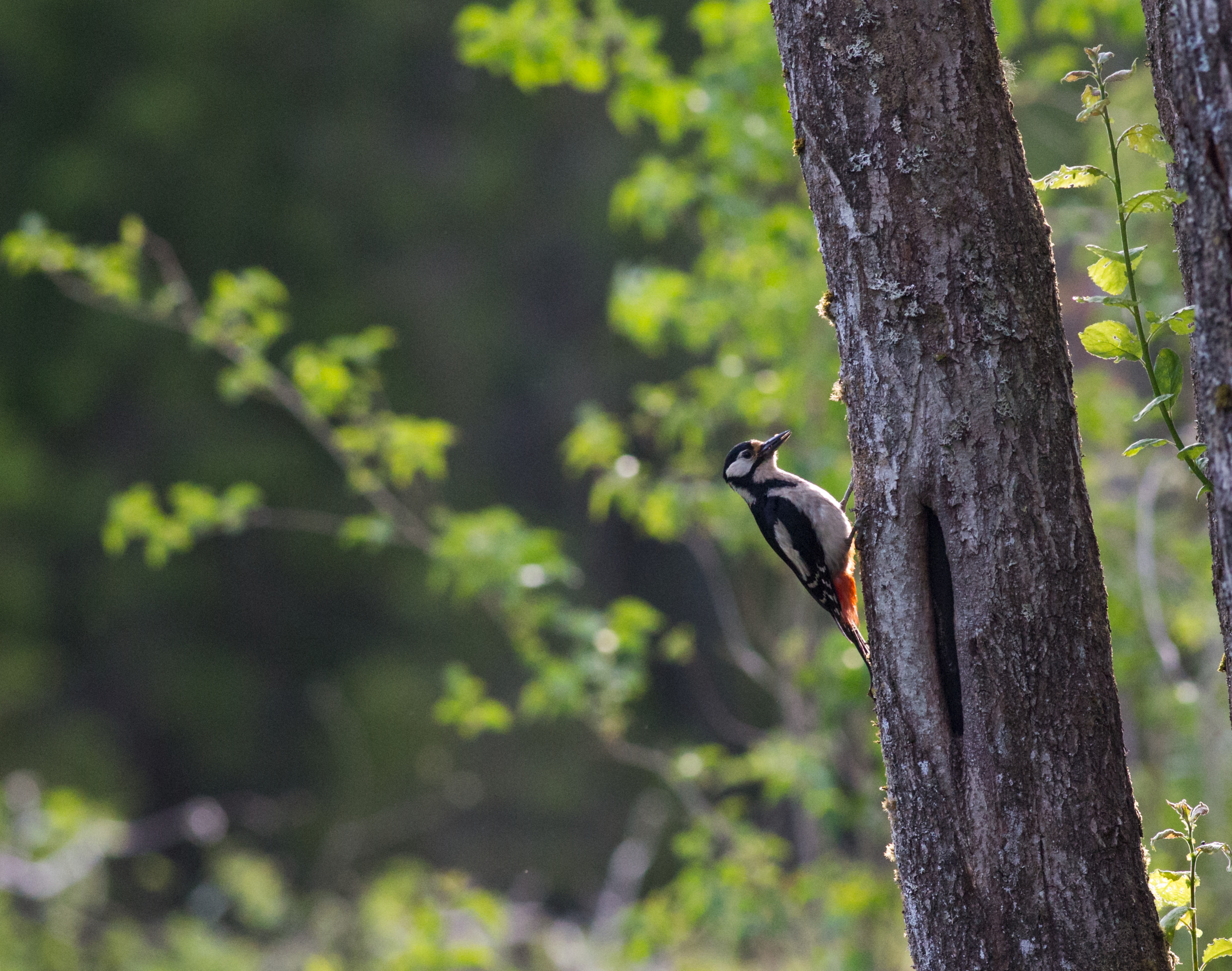
Woodpecker; So much to say about them, I’ll let you discover.
Reindeer and wolverine; Those ones are very Nordic animals, they like cold, snow, and high land for the wolverine. No chance to spot them.
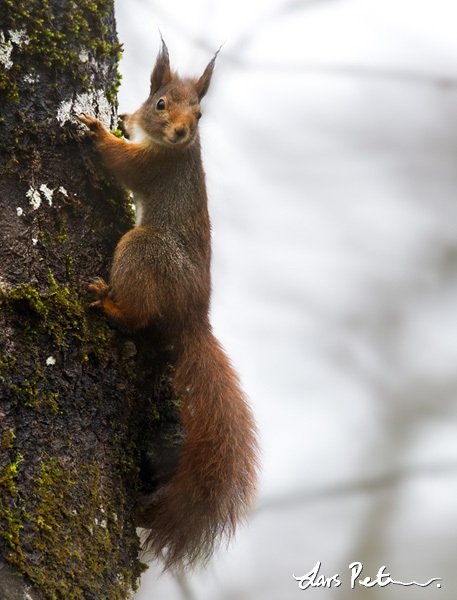
There are many other animals to talk about, like the crow, hare, grouse, ant nest, grey owl, wild boar, and many more that we will talk about during the safari.
-
Animals in the wilderness are hardly predictable. We do everything we can and use our expertise to spot them, but we can not guarantee to see all the animals as we don’t feed or attract them in any way!
A minimum number of participants is required for the tour to run. If it’s cancelled because the minimum isn’t met, you’ll be offered a different date/experience or a full refund.
This experience takes place across a mix of forest and rural landscapes, rather than within a national park, allowing us to maximise wildlife sighting opportunities.
Scheduled departures are not suitable for children under 10 years of age. For private tours, no minimum age applies.
We’re following the government regulations regarding fire bans closely; we might have to skip making a fire if a fire ban is in place. Nature goes first before fun! We won't cancel your tour because of a fire ban!
-
Comfortable Walking Shoes
Adapted Clothing
Warm Sweater
Walking Trousers (Water Repellent)
Rain Jacket
Sunglasses
Camera
Understanding, Not Chasing Wildlife
The Wildlife Safari Stockholm is designed around patience, awareness, and respect for nature.
Rather than rushing between locations, the experience focuses on:
Moving quietly through natural habitats
Learning to observe subtle signs of wildlife
Understanding animal behaviour and ecology
Experiencing the atmosphere of the Nordic wilderness
Sightings are never forced — they are moments that emerge naturally.
Expert Wildlife Tracking
Wildlife Tracking with Local Experts: We partner with The Green Trails for our Moose & Wildlife Safari in Stockholm, to cover more ground, share expert knowledge, and increase wildlife sightings — with guaranteed departures and no minimum group size.
Discover Stockholm’s Hidden Archipelago — Full-Day Hike on Nåttarö
For a more immersive full-day experience in the archipelago, discover our Stockholm Archipelago Hike on Nåttarö
SUMMER WILDLIFE SAFARI STOCKHOLM
Summer evenings soften the forest during a Wildlife Safari Stockholm. Light lingers, air cools, and animals begin to move between cover, open land and water
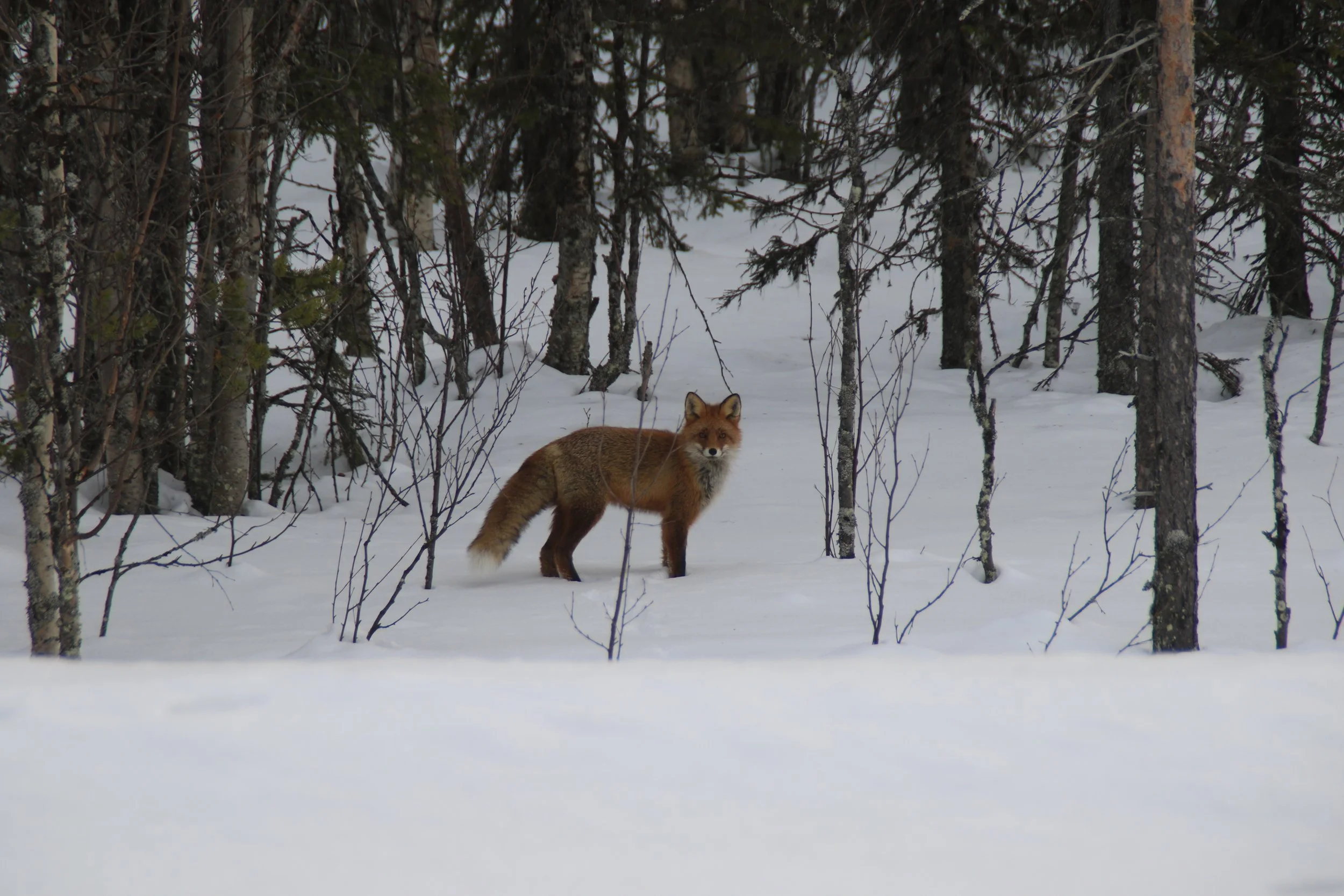
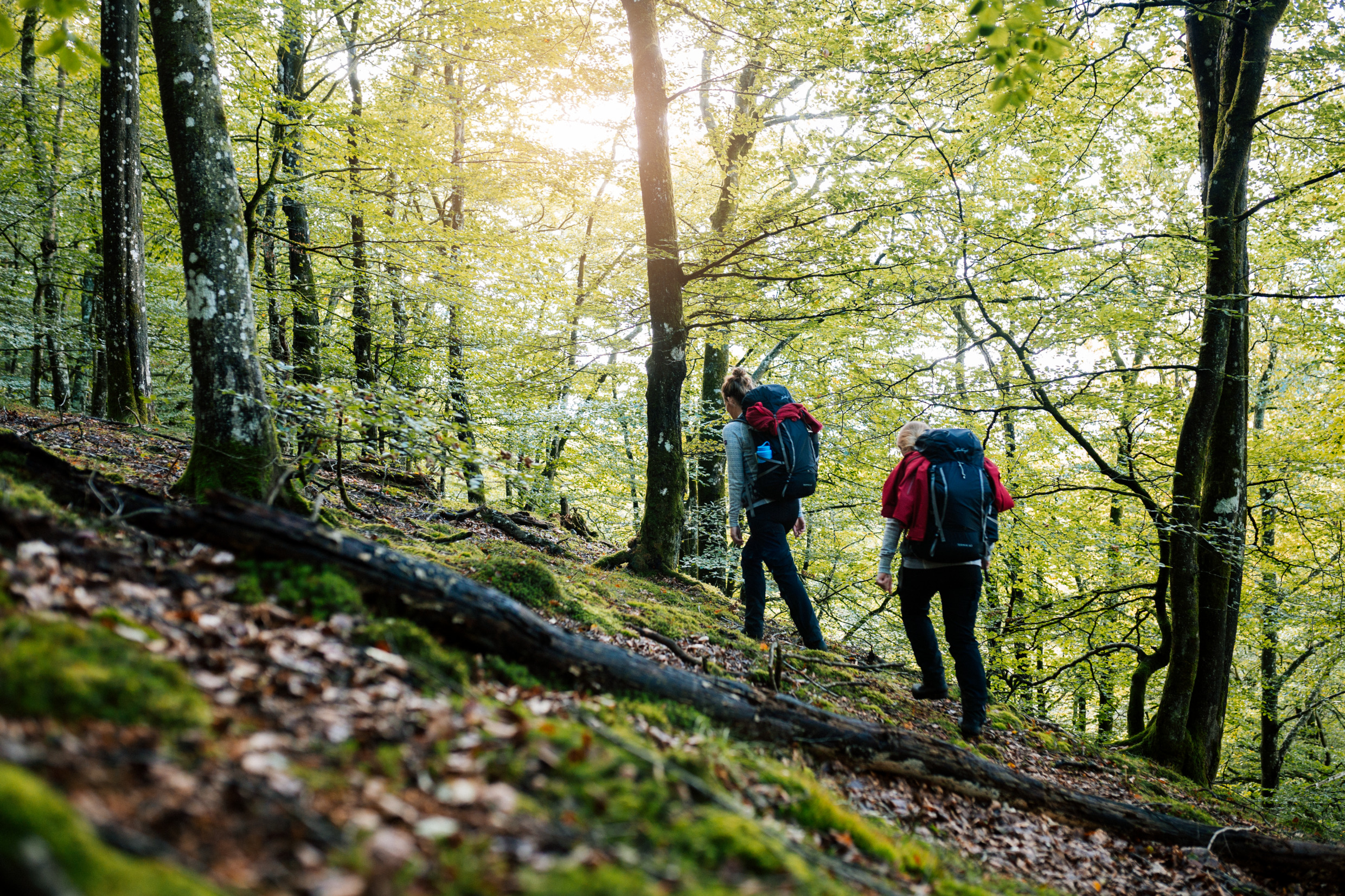
This summer wildlife safari takes you through forest paths, lakeshores and clearings known for wildlife activity. Short drives allow access to quieter areas, followed by slow walks where awareness replaces speed. Moose, roe deer, fallow deer, wild boar, foxes and birds of prey are all part of this landscape — though every encounter remains uncertain, as wildlife should be.
Your guide shares knowledge of Swedish wildlife, animal behaviour and how to interpret subtle signs: tracks near water, feeding marks, sounds carried through the trees.
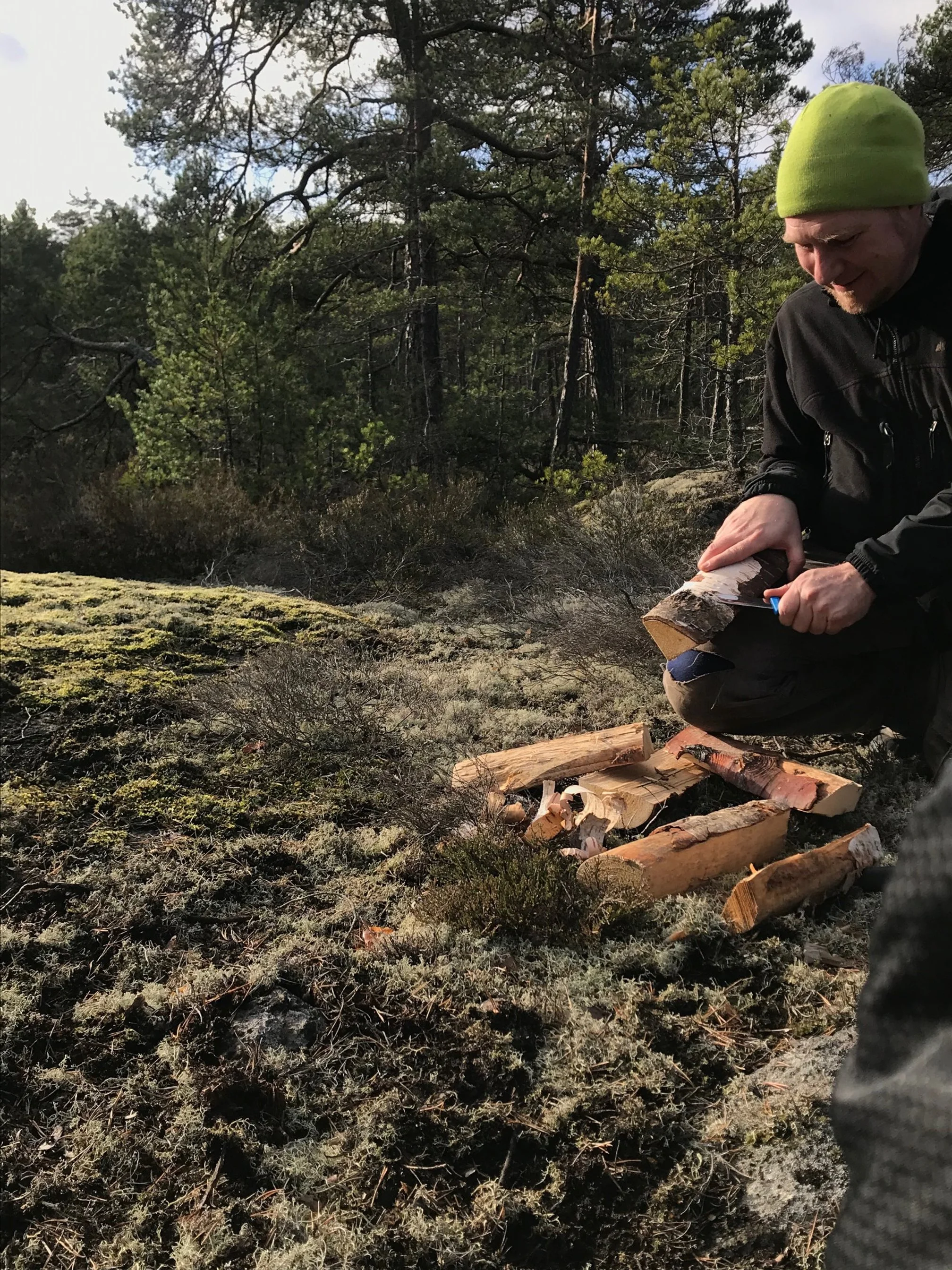
As evening settles, a meal is prepared over an open fire in the forest. You eat outdoors, surrounded by nature, while the forest shifts toward night.
PRIX
Adult: 1450 sek/pers
Child (10 - 15): 850 sek/pers
Student (max 25 years): 1300 sek/pers
Valid student card and photo ID required. Not applicable to PhD students.
-
Meet your guide at the designated meeting point
Transfer to the wildlife area
Campfire meal in nature
Introduction to local wildlife and animal behaviour
Guided tracking walk through the forest
Travel by van between selected wildlife hotspots
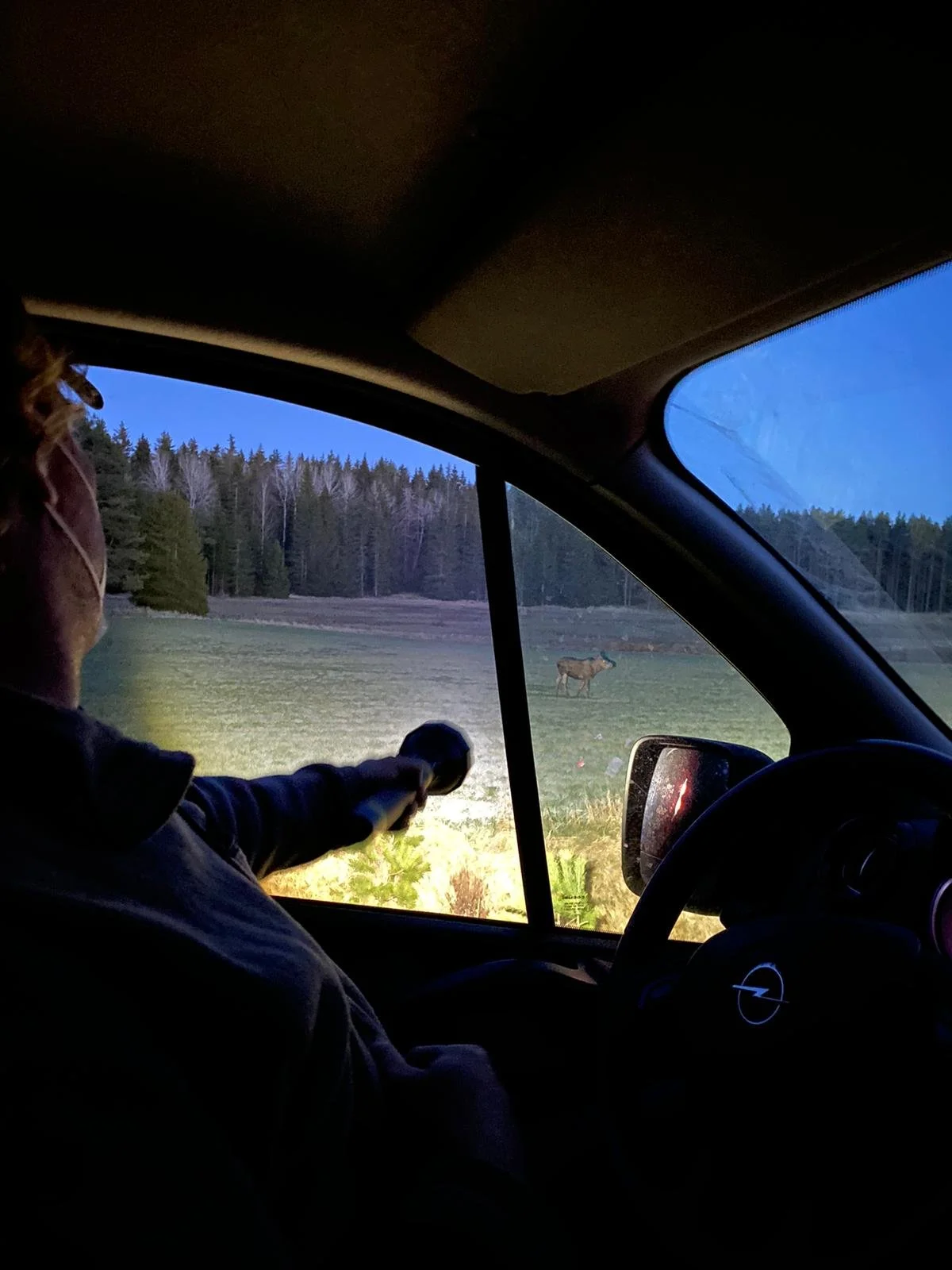
Evening hike and drive using torches for wildlife observation
Conclusion of the safari experience
Drop-off at central station
-
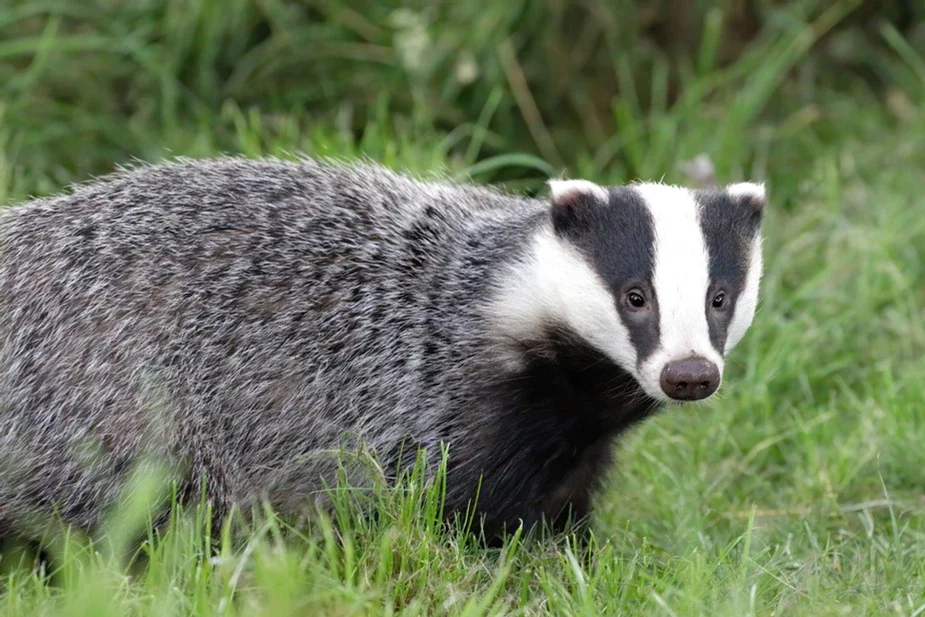
This Wildlife Safari Stockholm (an evening wildlife safari in the forests outside the city) focuses on Sweden’s most iconic large mammals: moose, deer and wild boar. Birdlife is also rich, with frequent sightings of birds of prey such as buzzards and falcons. You may also spot foxes, badgers and hares. Lynx exist in the wider area, but sightings are extremely rare.
Wildlife update: since summer 2017, small groups of fallow deer have established locally.
-
APRIL
1 April – 5 April: 17:00
6 April – 19 April: 17:30
20 April – 30 April: 17:00
MAY
1 May – 15 May: 17:30
16 May- 31 May: 18:00
JUNE
1 June - 7 June: 18:30
8 June - 30 June: 19:00
JULY
1 July - 7 July: 19:00
8 July - 15 July: 18:30
16 July - 31 July: 18:00
AUGUST
1 August -12 August: 17:30
13 August - 18 August: 17:00
19 August - 23 August: 16:30
24 August - 31 August: 16:00
SEPTEMBER
1 September - 3 September: 16:00
4 September - 13 September: 15:30
14 September - 30 September: 15:00
OCTOBER
1 October - 11 October: 14:30
12 October - 19 October: 14:00
20 October - 31 October: 13:30
-
Guided wildlife safari in the forests around Stockholm
Evening tour, timed with peak wildlife activity
A combination of short drives and quiet forest walks
A meal cooked over an open fire in the wild
Small group experience
Wildlife sightings vary with season and natural conditions
What to Expect on a Summer Wildlife Safari Sweden
Early summer (May): Young moose become more visible in open forest areas, offering good chances for daytime wildlife sightings.
Peak summer (Jun to mid-Aug): Long daylight hours support wildlife viewing, with the best activity during cooler mornings and evenings.
Late summer–early autumn (mid-Aug to Oct): Shorter days and antler growth increase animal movement, especially at dusk and after dark.
Landscape & Habitat
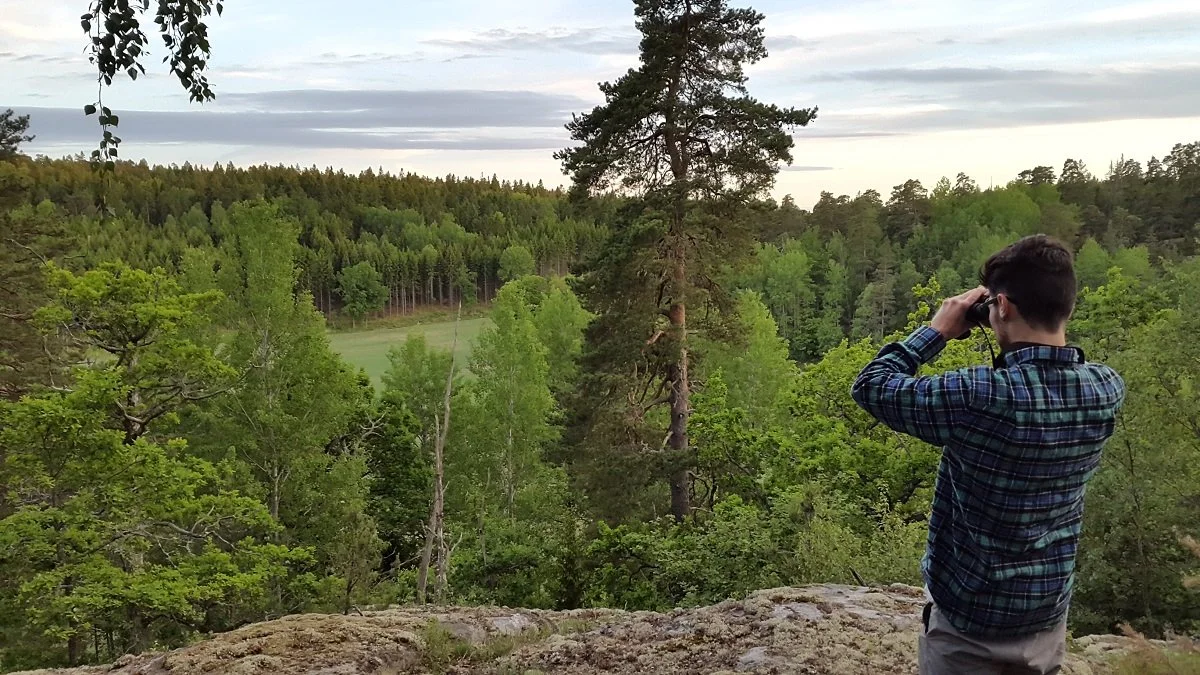
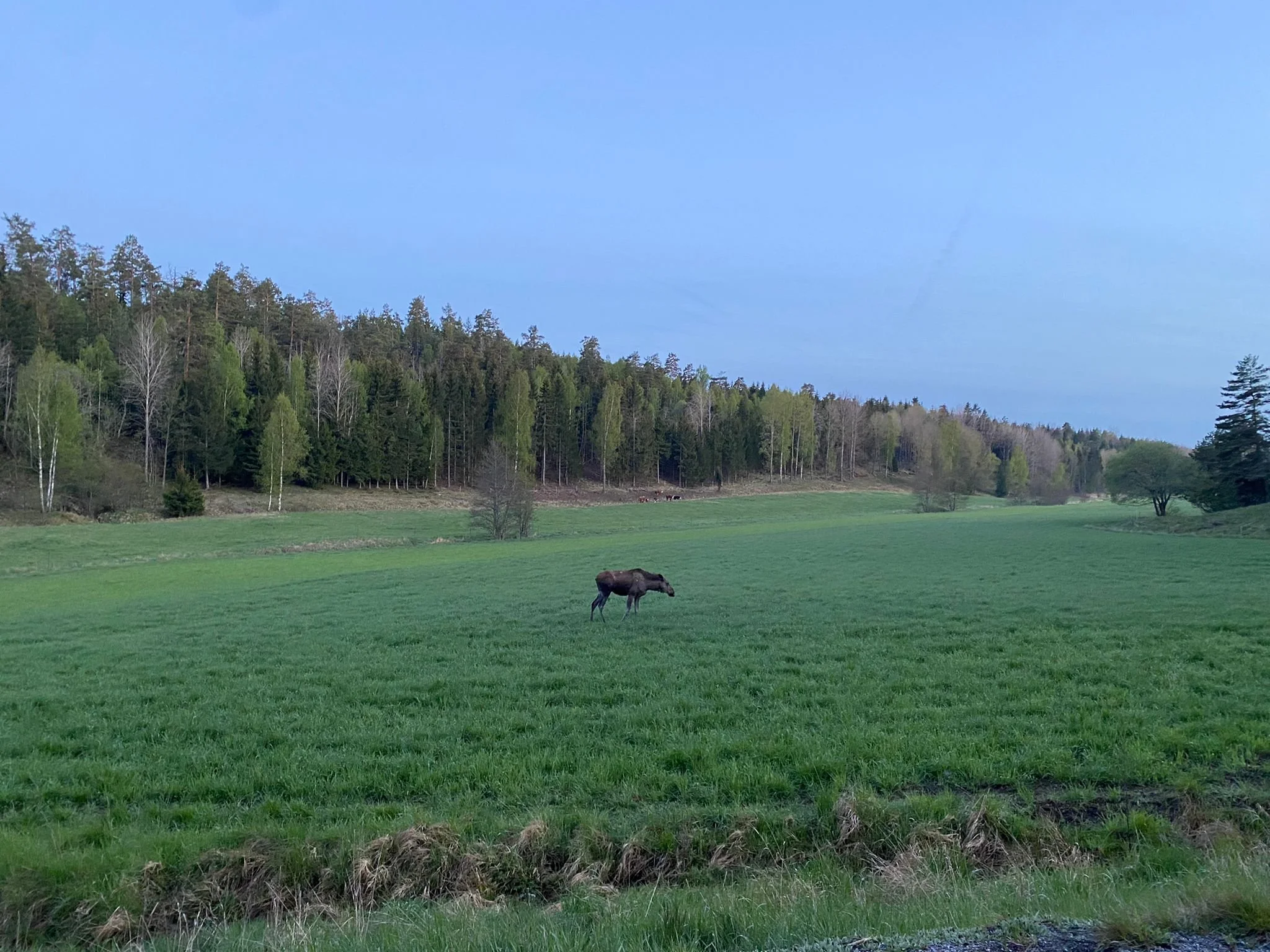
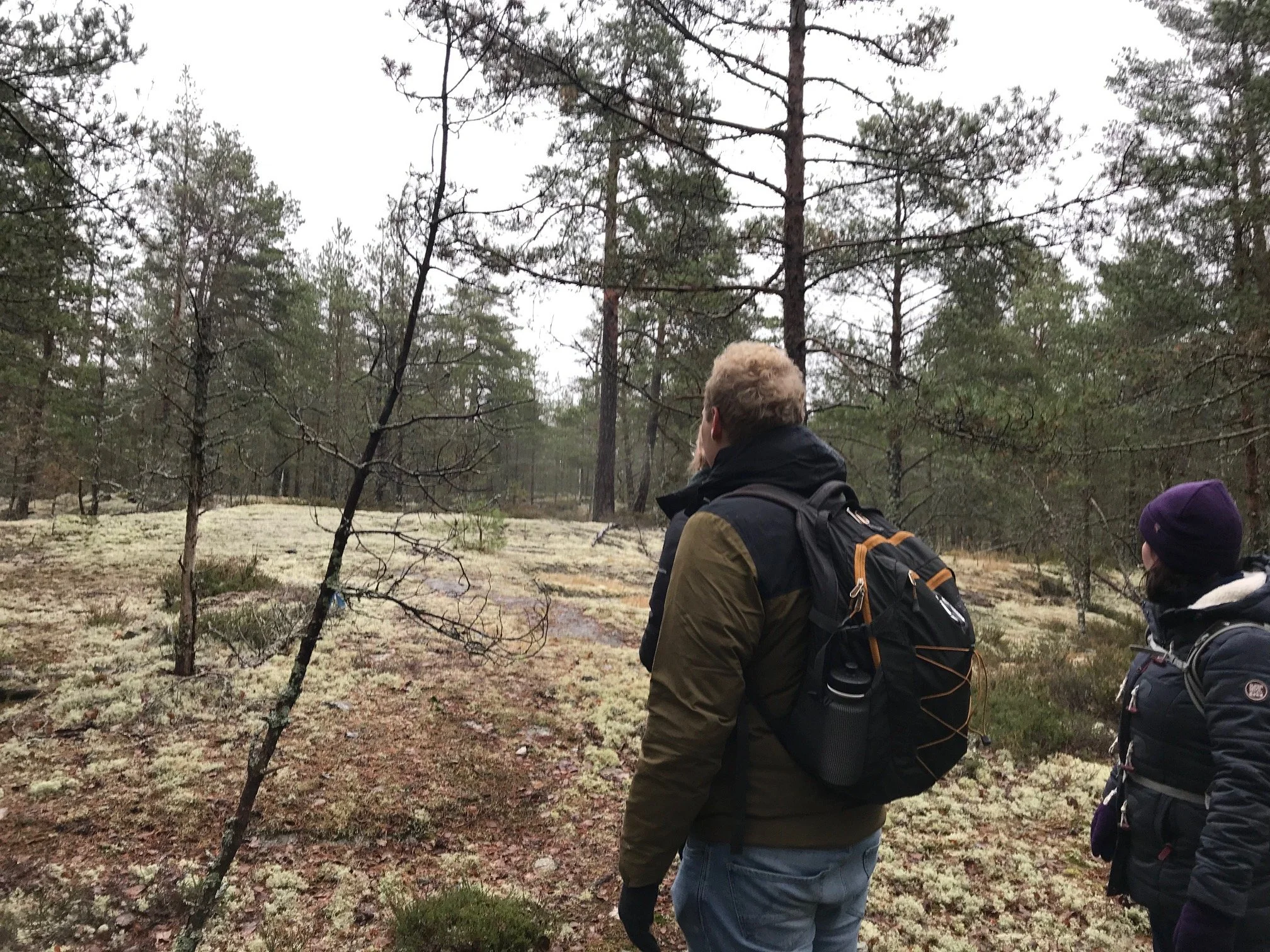
This wildlife safari unfolds across a classic Swedish environment, where pine-dominated forests meet open fields, lakes, and traditional countryside. The varied terrain creates ideal conditions for wildlife movement and provides excellent opportunities for animal observation throughout the tour.





WINTER WILDLIFE SAFARI STOCKHOLM
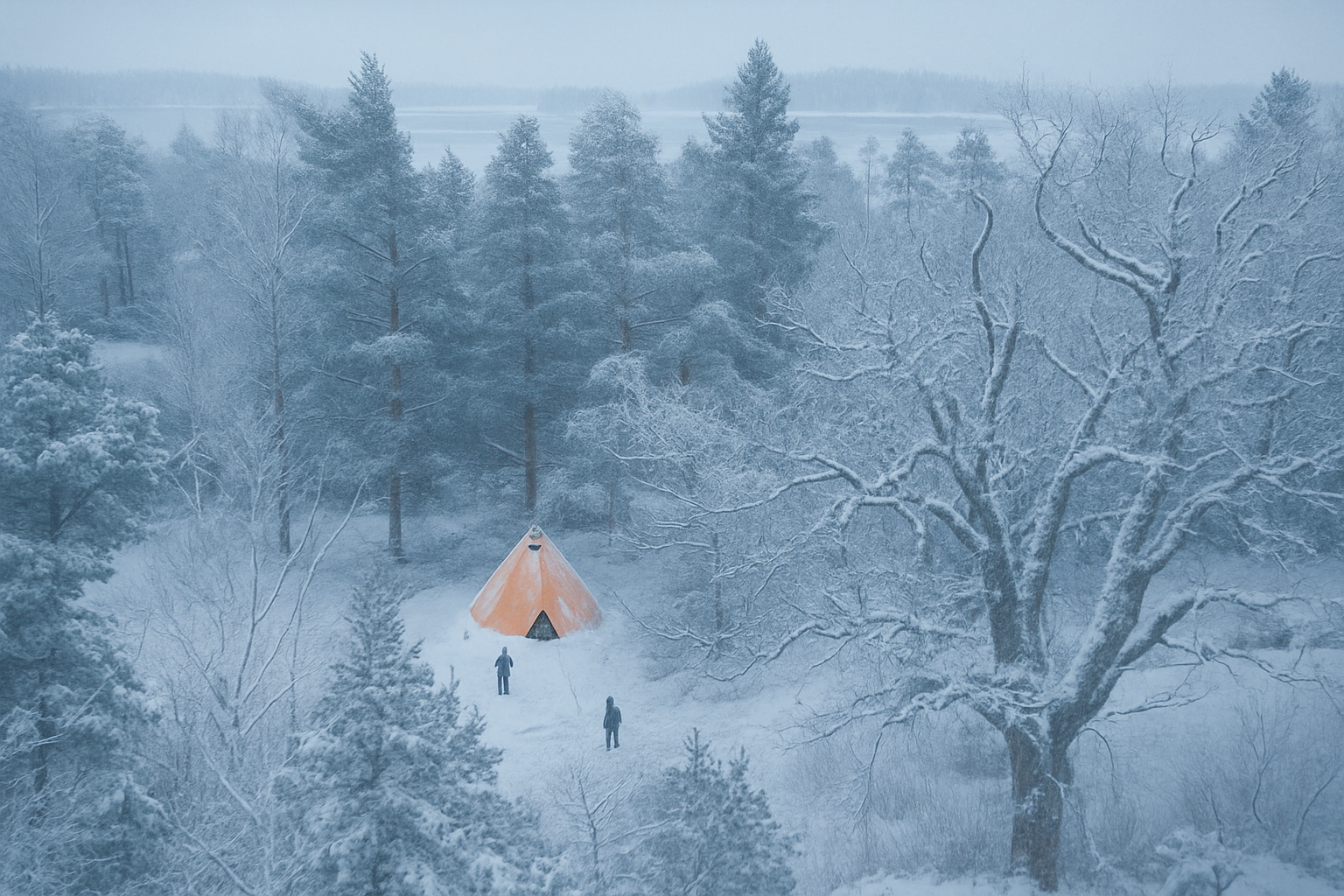
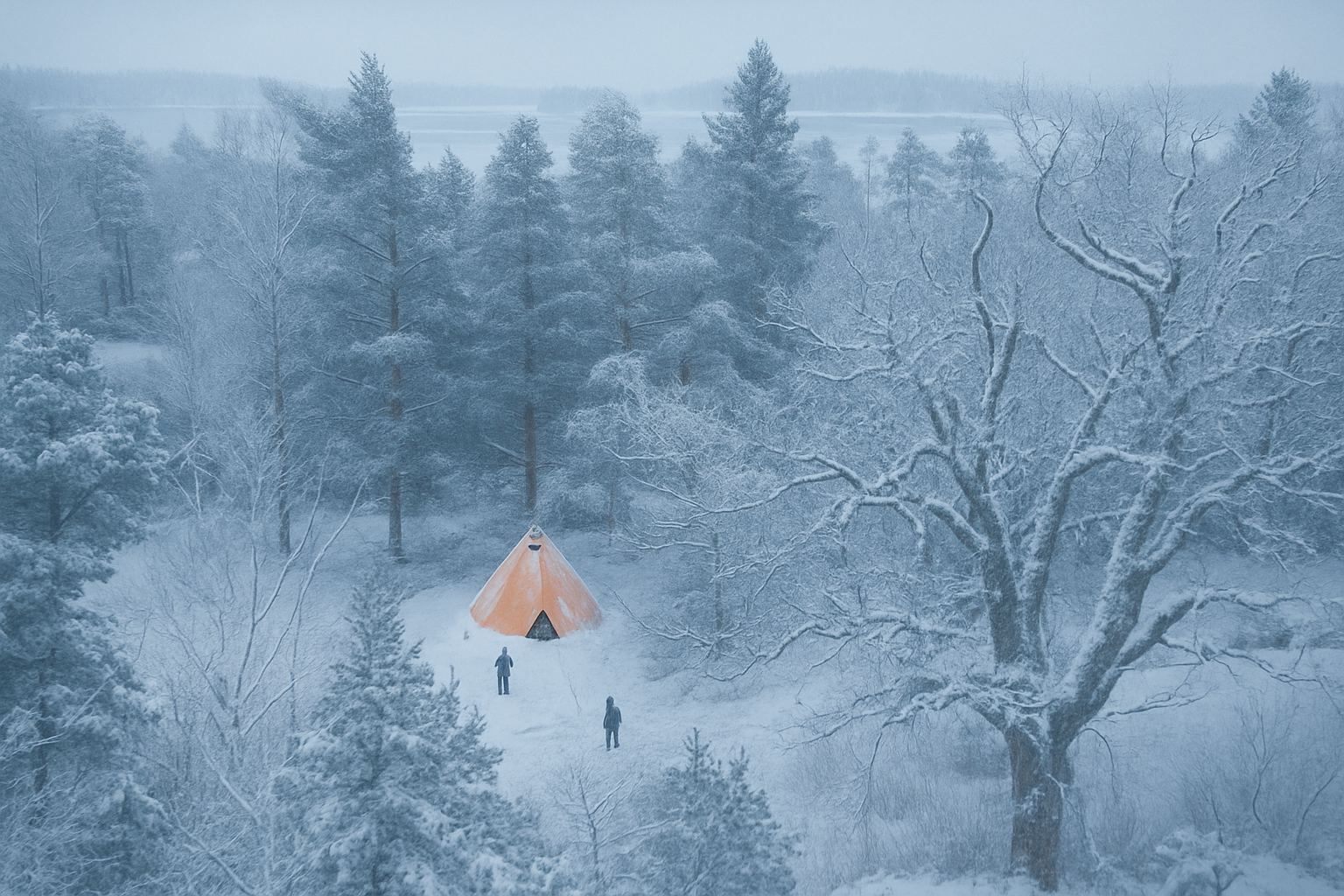
Winter strips the forest down to its essentials. Wildlife Safari Stockholm in winter reveals the forest at its most elemental
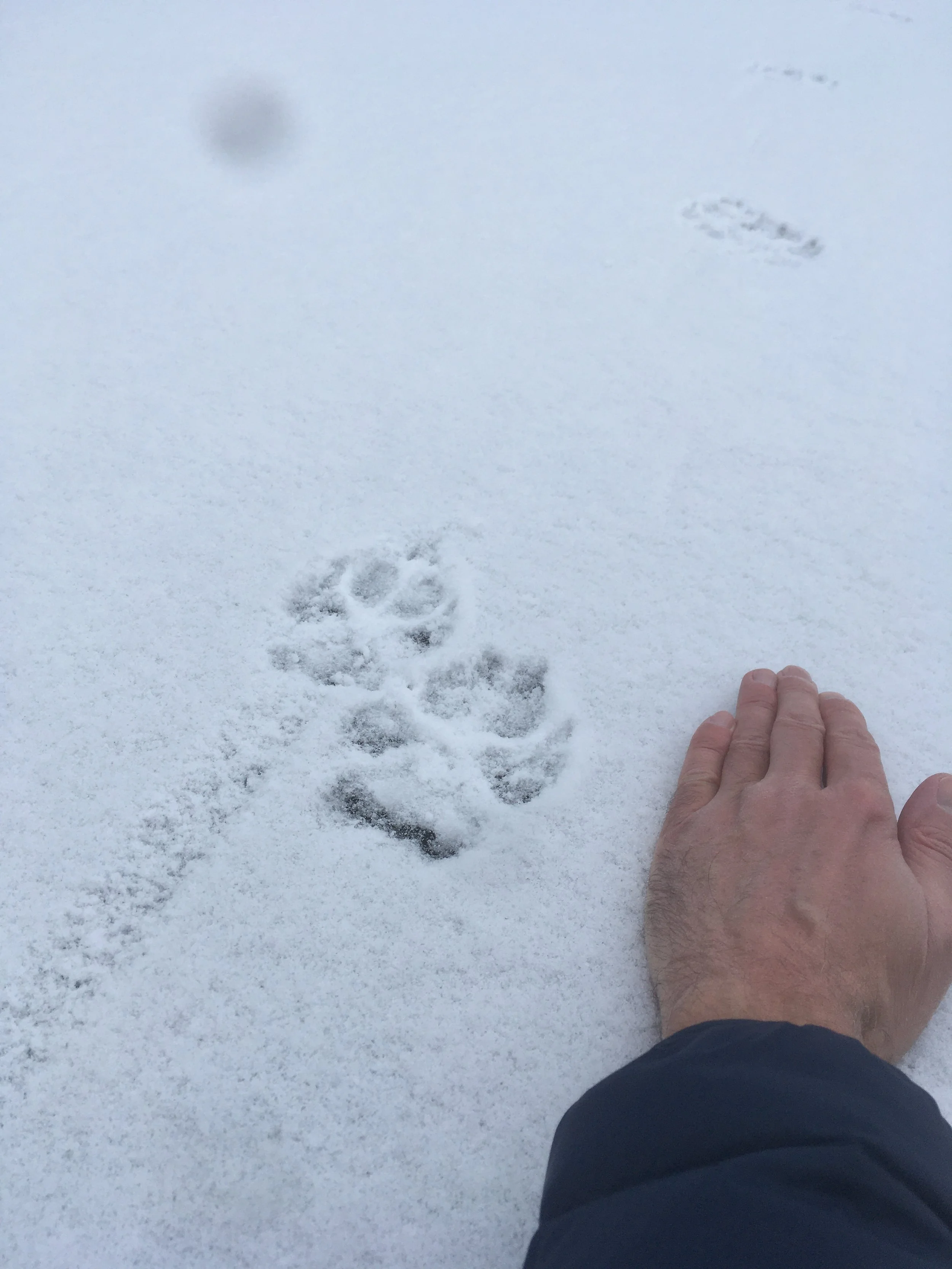
Snow absorbs sound, light fades early, and traces of life become visible again in winter. Tracks tell stories — where animals passed, paused, fed, and vanished back into cover.
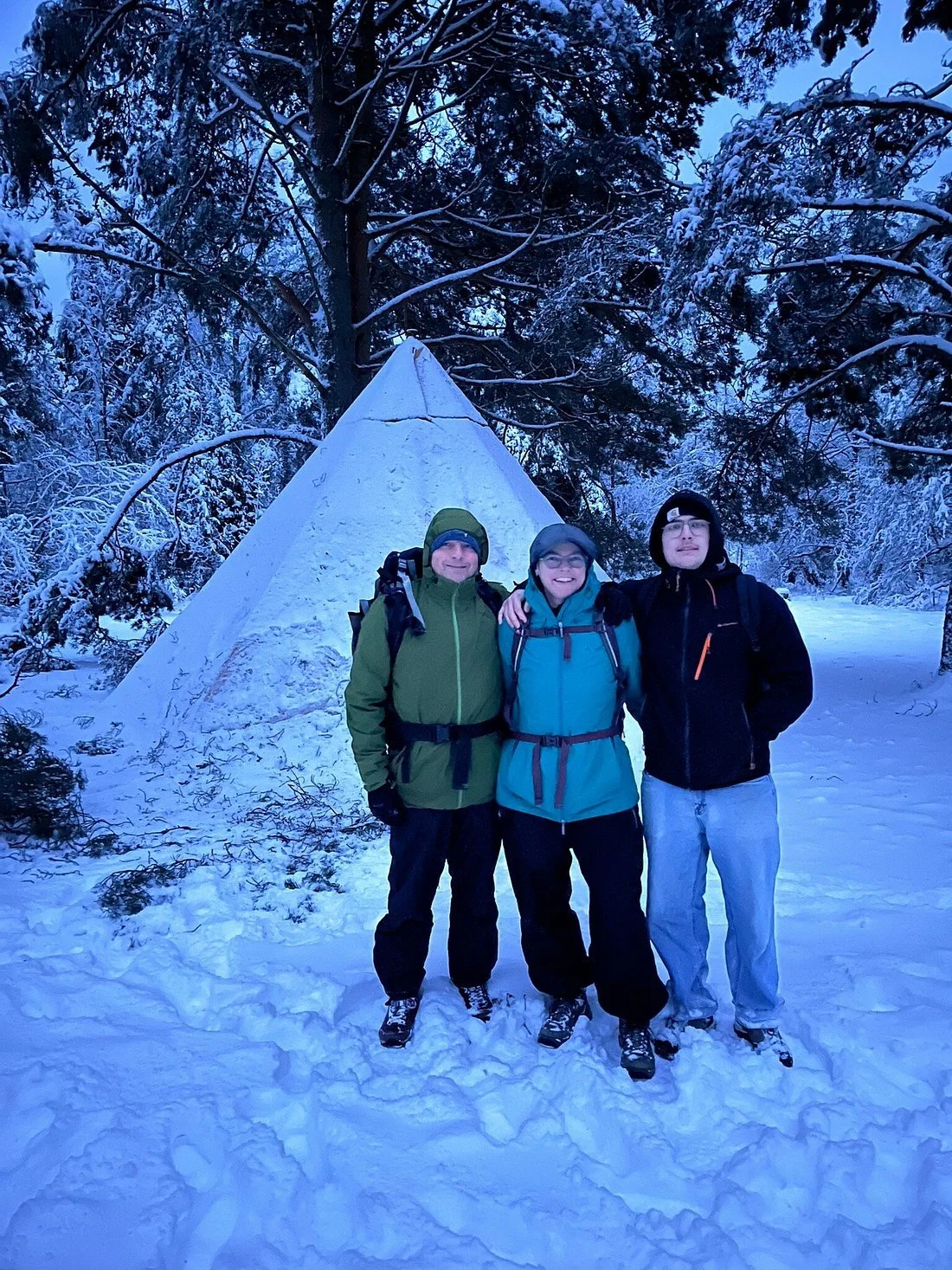
The winter wildlife safari runs in the afternoon and evening, when wildlife is most active. You move through snowy forest and open terrain, learning how Scandinavian animals adapt to cold, darkness and scarcity.
The pace is slower, the silence deeper, the presence of nature sharper.
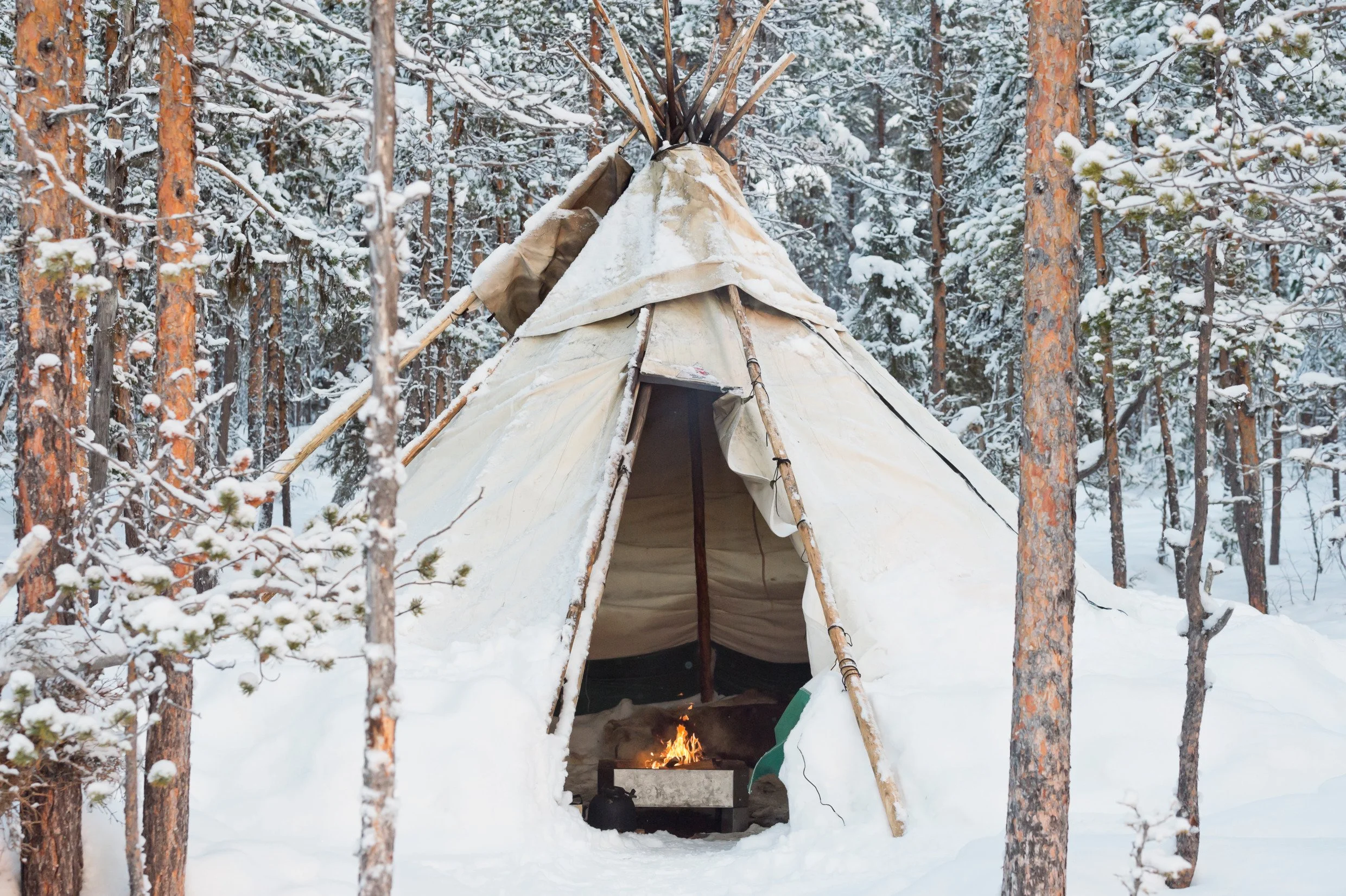
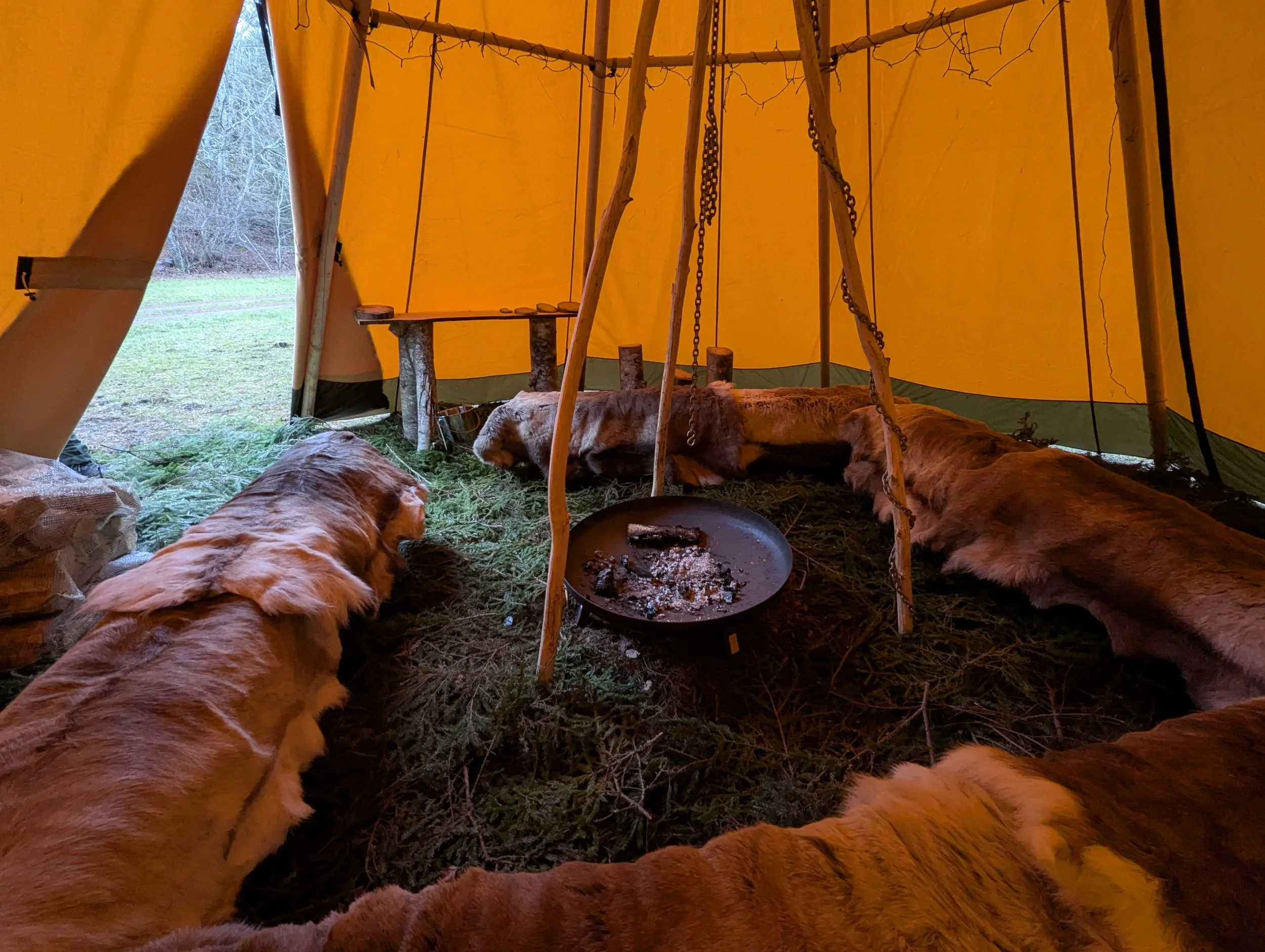
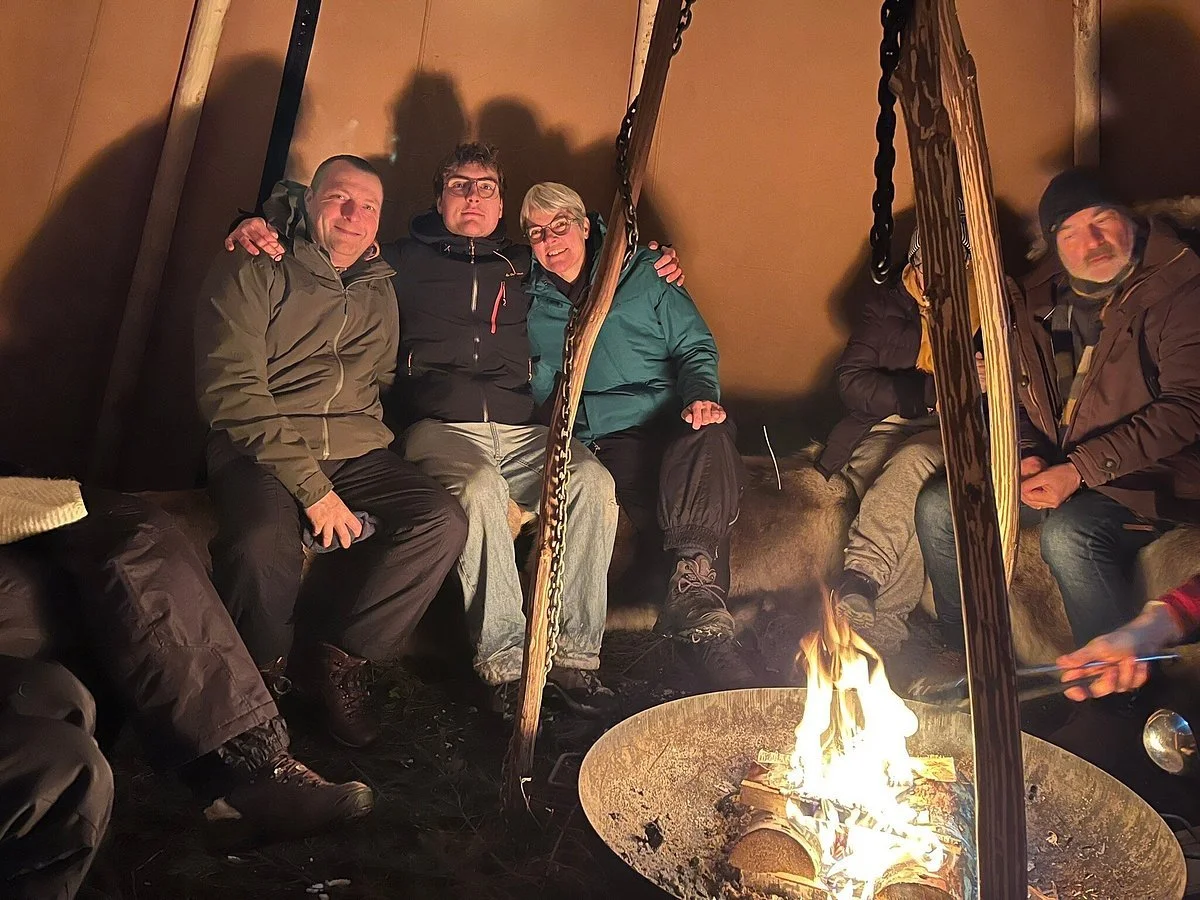
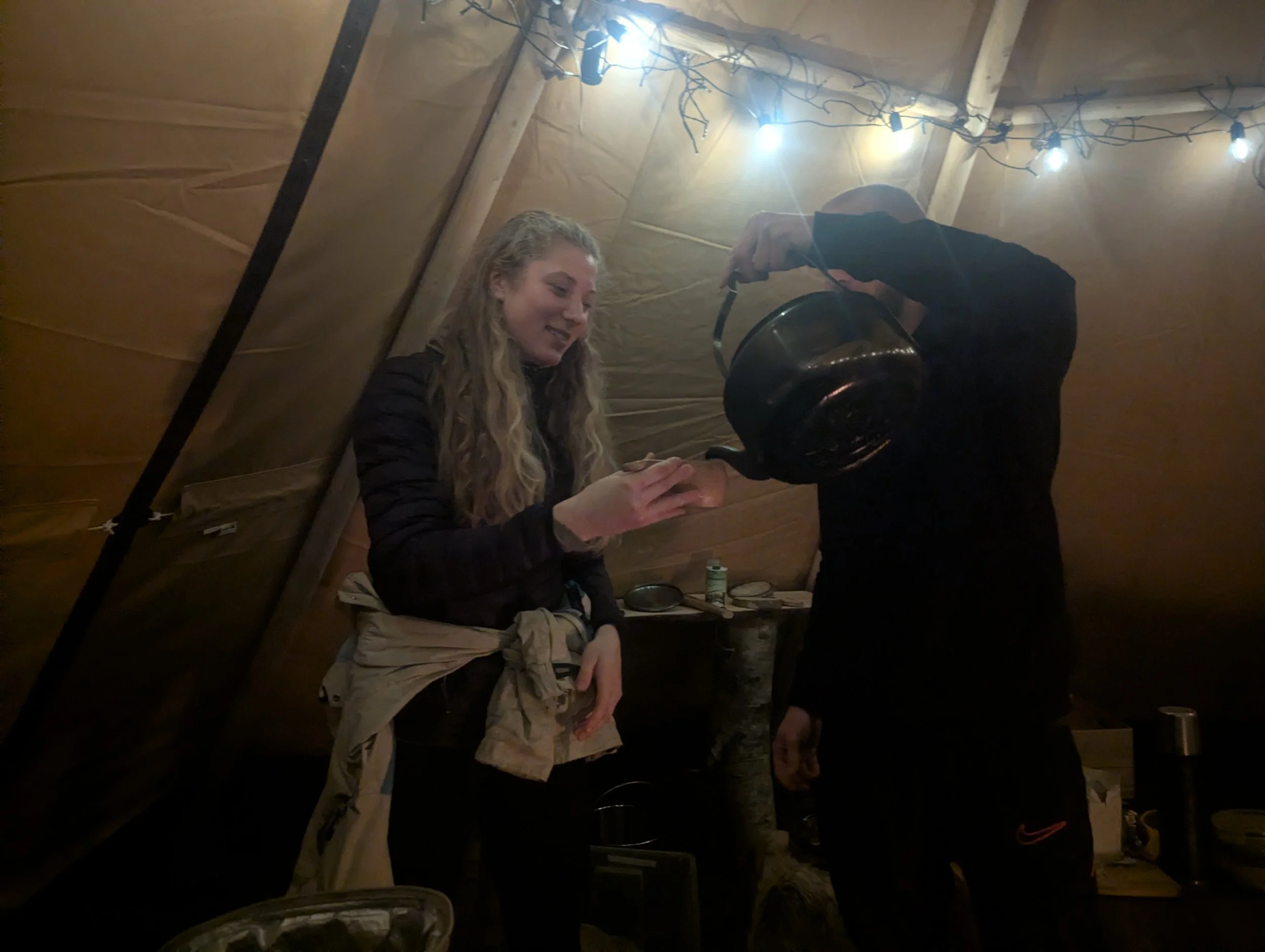
A warm meal is cooked over the fire inside a traditional teepee (tipi), offering shelter from the cold. Inside, you warm up by the fire, enjoy hot drinks and Swedish fika, before returning once more to the winter forest.
PRIX
Adult: 1550 sek/pers
Child (10 - 15): 950 sek/pers
Student (max 25 years): 1300 sek/pers
Valid student card and photo ID required. Not applicable to PhD students.
-
Meet your guide at the designated meeting point
Transfer to the wildlife area
Winter hike focused on reading tracks in snow & mud
Short drive to local wildlife hotspots
Sunset viewpoint (winter sunset & blue hour)
Campfire cooking & wildlife presentation inside a cozy tipi tent
Short torchlit walk under the stars
Drive back via key sighting areas and use a large observation torch to locate wildlife in the dark (animal-safe, non-harmful practice)
Conclude wildlife trip and return to the meeting point
-
This winter wildlife safari near Stockholm focuses on iconic species such as moose, deer, and wild boar. Winter conditions also bring frequent sightings of owls, buzzards, and other resident birds, while foxes and hares are often active in snowy landscapes.
Snow-covered ground makes wildlife tracking easier, allowing us to follow animal tracks, feeding areas, and movement routes — significantly increasing the chances of spotting wildlife during this winter moose safari.
-
NOVEMBER
1 November - 4 November: 13:30
5 November - 26 November: 13:00
27 November - 30 November: 12:30
DECEMBER
1 December - 31 December: 12:30
JANUARY
1 January - 10 January: 12:30
11 January - 23 January: 13:00
24 January - 31 January: 13:30
FEBRUARY
1 February - 4 February: 13:30
5 February - 16 February: 14:00
17 February - 29 February: 14:15
MARCH
1 March - 12 March: 14:30
13 March - 25 March: 15:00
26 March - 31 March: 15:30
-
Guided wildlife safari in winter forest landscapes
Afternoon and evening departure
Focus on tracks, movement, and winter behaviour
Warm meal cooked over the fire inside a traditional teepee
Hot drinks and Swedish fika included
Small group experience
What to Expect on a WINTER Wildlife Safari Sweden
Early winter (Nov–Dec): Fresh snow reveals clear animal tracks and feeding signs, making this the best time for wildlife tracking in Swedish forests.
Mid-winter (Jan–Feb): Deep, stable snow increases wildlife movement at dusk and during the blue hour, with good chances for sightings using torch observation.
Late winter (Mar–Apr): Longer daylight hours bring increased daytime activity as snow begins to melt and antler shedding approaches.
Winter wildlife sightings can be less predictable than in summer, but the snowy landscapes, silence, and atmosphere make winter safaris in Sweden especially memorable.
Landscape & Habitat
This safari takes you through a classic Swedish winter environment, featuring pine forests, frozen lakes, open terrain, and traditional countryside. During the colder months, the landscape is often still and bright, shaped by frost or freshly fallen snow, creating ideal conditions for wildlife observation.